Francisco de Sandoval y Rojas, 1st Duke of Lerma
Francisco Gómez de Sandoval y Rojas, 1st Duke of Lerma, 5th Marquess of Denia, 1st Count of Ampudia, was a favourite of Philip III of Spain, the first of the validos through whom the later Habsburg monarchs ruled. His administration was marked by costly wars, including the Twelve Years' Truce with the Dutch Republic, financial mismanagement, and the controversial expulsion of the Moriscos. Eventually, he was deposed in 1618 under a palace intrigue orchestrated by his son and political rival, Cristóbal de Sandoval. Lerma retired as a cardinal and was succeeded by the Count-Duke of Olivares but faced financial penalties and died in 1625 at Valladolid.
Francisco Goméz de Sandoval y Rojas, Duke of Lerma, Spanish statesman, by Peter Paul Rubens (1603). Located in the Prado.
Ducal palace at Lerma.
Golden bronze statue of Lerma at the Colegio de San Gregorio, by Juan de Arfe
Fictional "Duke of Lerma", 19th century painting by Mikhail Lermontov
A favourite was the intimate companion of a ruler or other important person. In post-classical and early-modern Europe, among other times and places, the term was used of individuals delegated significant political power by a ruler. It was especially a phenomenon of the 16th and 17th centuries, when government had become too complex for many hereditary rulers with no great interest in or talent for it, and political institutions were still evolving. From 1600 to 1660 there were particular successions of all-powerful minister-favourites in much of Europe, particularly in Spain, England, France and Sweden.
Equestrian portrait of the Count-Duke of Olivares by Diego Velázquez.
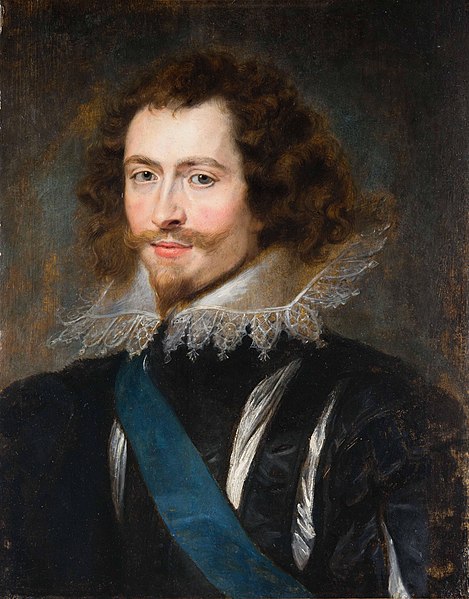
The Duke of Buckingham by the workshop of Rubens
Cardinal Richelieu, one of the most successful from the golden age of the favourite
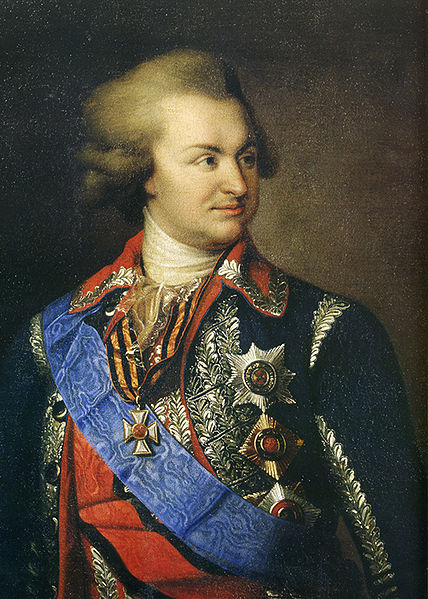
Prince Grigory Potemkin