French Wars of Religion
Videos
The French Wars of Religion were a series of civil wars between French Catholics and Protestants from 1562 to 1598. Between two and four million people died from violence, famine or disease directly c

The St. Bartholomew's Day massacre (1572) by François Dubois
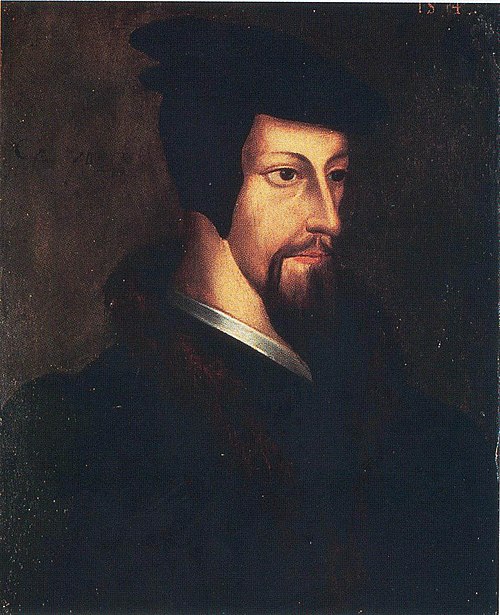
John Calvin, whose ideas became central to French Protestantism

After an initial period of tolerance, Francis I repressed Reformist ideas

Massacre of Mérindol, as imagined by Gustave Doré (1832–1883)
Huguenots
Videos
The Huguenots are a religious group of French Protestants who held to the Reformed tradition of Protestantism. The term, which may be derived from the name of burgomaster Besançon Hugues, who defended
French Wars of Religion
…The French Wars of Religion (French: Guerres de Religion en France) were a series of civil wars between French Catholics and Protestants (called Huguenots) from 1562 to 1598. Between two and four million people died from violence, famine or disease directly caused by the conflict, and it severely damaged…

Huguenots massacring Catholics in the Michelade in Nîmes

John Everett Millais' painting, A Huguenot, on St. Bartholomew's Day