George Mason
Videos
George Mason was an American planter, politician, Founding Father, and delegate to the U.S. Constitutional Convention in Philadelphia in 1787, one of three delegates who refused to sign the Constituti
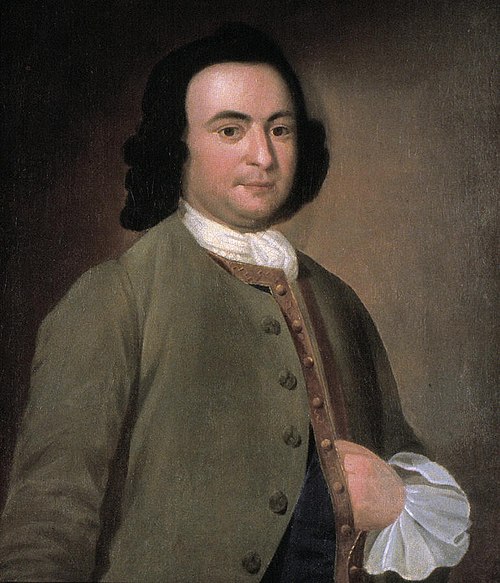
Portrait, c. 1750

Portrait of Mason's wife, Ann Eilbeck, with whom he had nine children. By Dominic Boudet in 1811, a copy of the destroyed original by John Hesselius.

A 1958 postage stamp featuring Gunston Hall, Mason's residence in Fairfax County, Virginia

The House of Burgesses in Williamsburg, Virginia, where Mason served as a delegate from 1758 to 1761
The Founding Fathers of the United States, referred to as the Founding Fathers or the Founders by Americans, were a group of late-eighteenth-century American revolutionary leaders who united the Thirt
George Mason
…George Mason (December 11, 1725 [O.S. November 30, 1725] – October 7, 1792) was an American planter, politician, Founding Father, and delegate to the U.S. Constitutional Convention in Philadelphia in 1787, one of three delegates who refused to sign the Constitution. His writings…

The Committee of Five (Adams, Livingston, Sherman, Jefferson, and Franklin) present their draft of the Declaration of Independence to the Second Continental Congress in Philadelphia on June 28, 1776, as depicted in John Trumbull's 1818 portrait.
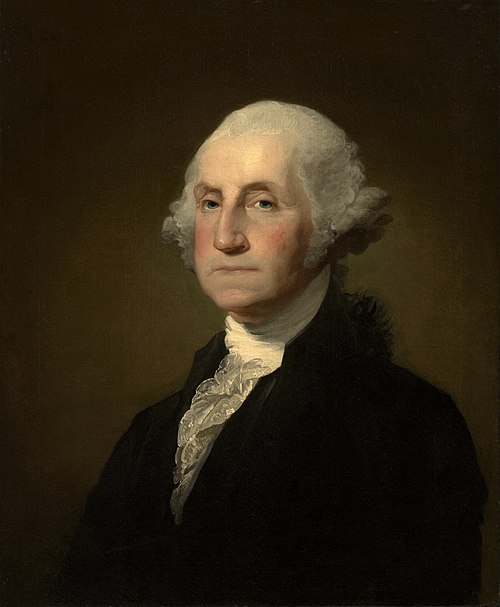
George Washington, a key Founding Father, was commanding general of the Continental Army during the Revolutionary War and a Revolutionary hero, presided over the Constitutional Convention and became the nation's first president in April 1789.

Thomas Jefferson, a key Founding Father, was the primary author of the Declaration of Independence, which Pulitzer Prize-winning historian Joseph Ellis says contains "the most potent and consequential words in U.S. history".

Benjamin FranklinEarly advocate of colonial unity, was a foundational figure in defining the US ethos and exemplifying the emerging nation's ideals.