German Empire
Videos
The German Empire, also referred to as Imperial Germany or the Second Reich, was the period of the German Reich from the unification of Germany in 1871 until the November Revolution in 1918, when Germ
Chancellor Otto von Bismarck (pictured in 1873)


Emperor Wilhelm I (pictured c. 1870)

Die Proklamation des Deutschen Kaiserreiches by Anton von Werner (1877), depicting the proclamation of Emperor William I (18 January 1871, Palace of Versailles). From left, on the podium (in black): Crown Prince Frederick (later Frederick III), his father the emperor, and Frederick I of Baden, proposing a toast to the new emperor. At center (in white): Otto von Bismarck, first Chancellor of Germany, Helmuth von Moltke the Elder, Prussian Chief of Staff.

Berlin Palace, the main residence of the House of Hohenzollern
Wilhelm II
Videos
Wilhelm II was the last German Emperor from 1888 until his abdication in 1918. His fall from power marked the end of the German Empire as well as the Hohenzollern dynasty's 400-year rule over Prussia.
German Empire
…the Pacific, and China and building the world's third-largest colonial empire after the British and French. Following Bismarck's dismissal in 1890, Wilhelm II pursued Weltpolitik ("world politics"), a more aggressive and expansionist course that abandoned Bismarck's complex alliance system, leaving Germany…

Wilhelm in 1902

Wilhelm in 1867, aged 8

Wedding of Prince Henry of Prussia with Princess Irene of Hesse on 24 May 1888. The future emperor Wilhelm II is on the right. The emperor Frederick III is seated on the left and would have died just three weeks after.
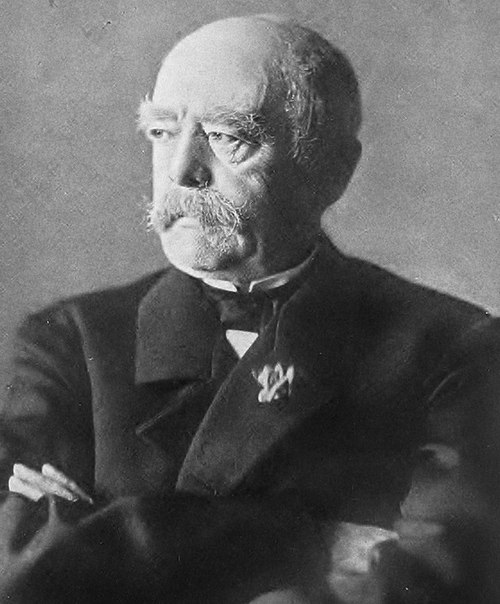
Otto von Bismarck, the Chancellor who effectively dictated German policy until Wilhelm II assumed the throne in 1888