The Golden Age of Argentine cinema, sometimes known interchangeably as the broader classical or classical-industrial period, is an era in the history of the cinema of Argentina that began in the 1930s

View of the shooting of Manuel Romero's La rubia del camino (1938) at Lumiton studios.

French immigrant Eugenio Py is generally considered to have made the first films of the country in the 1890s.

A frame from Mario Gallo's La Revolución de Mayo (1909), regarded as the first narrative film of the country.

The unprecedented commercial success of Nobleza gaucha (1915) inaugurated a new boom period for Argentine silent cinema.
Classical Hollywood cinema
Videos
In film criticism, classical Hollywood cinema is both a narrative and visual style of filmmaking that first developed in the 1910s to 1920s during the later years of the silent film era. It then becam
Golden Age of Argentine cinema
…Daniel Tinayre José A. Ferreyra Luis Moglia Barth Román Viñoly Barreto Alberto de Zavalía Luis Bayón Herrera Influences Argentine silent cinema tango classical Hollywood cinema radio dramas Argentine popular theatre sainete revista porteña zarzuela Carlos Gardel's films Argentine literature French cinema world literature The…
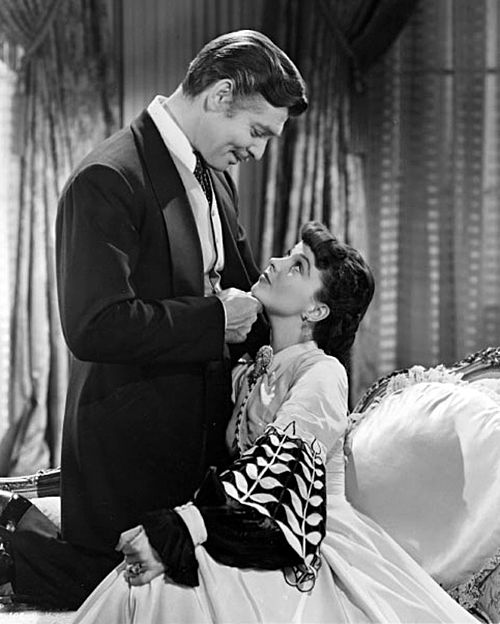
Film classic Gone with the Wind (1939), starring Clark Gable and Vivien Leigh

Still from the silent film The Birth of a Nation (1915), starring Lillian Gish (second from right)

Theatrical release poster for Ben-Hur: A Tale of the Christ (1925)