Gondor
Videos
Gondor is a fictional kingdom in J. R. R. Tolkien's writings, described as the greatest realm of Men in the west of Middle-earth at the end of the Third Age. The third volume of The Lord of the Rings,
The lifeless White Tree of Gondor has been compared to the Dry Tree of medieval legend. Medieval manuscript illustration of the Dry Tree (centre) with the Phoenix, flanked by the Trees of the Sun and the Moon. Both the Dry Tree and the Phoenix are symbols of resurrection and new life. Rouen 1444–1445

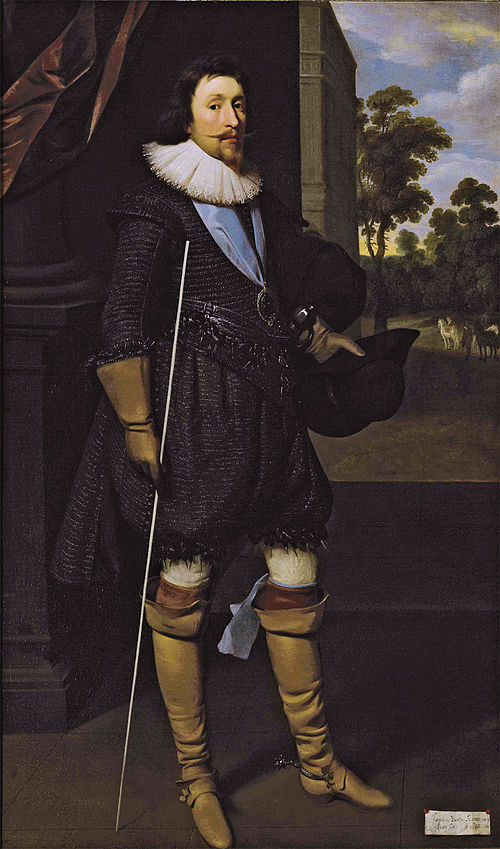
James Hamilton, 2nd Marquess of Hamilton holding the white staff of the Lord Steward of the King's Household, Scotland, the same symbol as that of the Stewards of Gondor. Portrait by unknown artist after Daniël Mijtens, 1622

Bold colourful Rohan, modelled on the Anglo-Saxons (here in an 11th-century illustration), "the bit that Tolkien knew best", is contrasted by critics with the solemn but colourless Gondor.

Sandra Ballif Straubhaar notes that in Roman legend, Aeneas escapes the ruin of Troy, while Elendil escapes that of Númenor. Painting Aeneas flees burning Troy by Federico Barocci, 1598
Aragorn
Videos
Aragorn is a fictional character and a protagonist in J. R. R. Tolkien's The Lord of the Rings. Aragorn is a Ranger of the North, first introduced with the name Strider and later revealed to be the he
Gondor
…instead pay deference to the regency of the Stewards of Gondor. The kingdom's ascendancy is restored only with Sauron's final defeat and the crowning of Aragorn as king. Based upon early conceptions, the history and geography of Gondor were developed in stages as Tolkien extended his legendarium while writing…

Aragorn in Ralph Bakshi's animated version of The Lord of the Rings

Aragorn in the Rankin/Bass animated production of The Return of the King

Frodo meeting Strider in The Prancing Pony. Scraperboard engraving by Alexander Korotich, 1981