Greater Serbia
Videos
The term Greater Serbia or Great Serbia describes the Serbian nationalist and irredentist ideology of the creation of a Serb state which would incorporate all regions of traditional significance to Se

Greater Serbian aspirations before the Balkan Wars 1912–1913, according to the Report of the International Commission to Inquire into the Causes and Conduct of the Balkan Wars (1914).

Vojislav Šešelj, president of the Serbian Radical Party, is one of the staunchest advocates of Greater Serbia.

Greater Serbia, Miloš Milojević
Vojislav Šešelj
Videos
Vojislav Šešelj is a Serbian politician and war criminal. He is the founder and president of the far-right Serbian Radical Party. From 1998 to 2000, he was a deputy prime minister of Serbia.
Greater Serbia
…calling for a Greater Serbia, rejecting the then existing boundaries of the Republics as the artificial creation of Tito's partisans. These included Šešelj's Serbian Radical Party, claiming that the recent changes had rectified most of the anti-Serb bias that the Memorandum had alleged. Milošević supported…
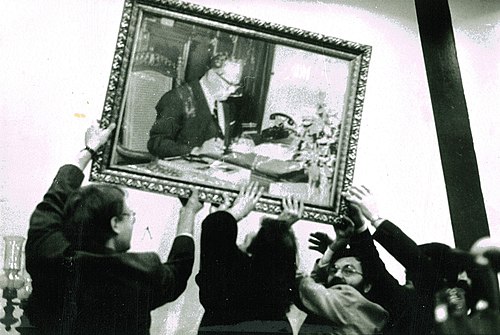
Šešelj with Vuk Drašković of Serbian Renewal Movement, and Milan Mladenović of People's Radical Party in 1990, removing picture of Josip Broz Tito from Belgrade Center of engineers and electricians.

Србија чека Шешеља! (Serbia awaits Šešelj!) graffiti supporting Šešelj