Greenland
Videos
Greenland is an autonomous territory of the Kingdom of Denmark and is the largest of the kingdom's three constituent parts by land area, the others being Denmark proper and the Faroe Islands. Citizens

The last written records of the Norse Greenlanders are from a 1408 marriage at Hvalsey Church, which is now the best-preserved Norse ruin.
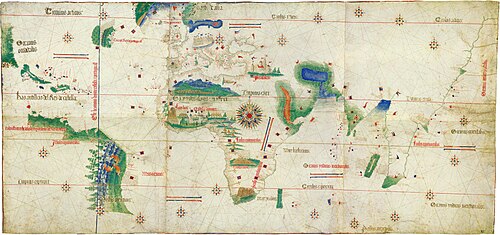
The Cantino planisphere, completed by an unknown cartographer in 1502, depicts Greenland as a Portuguese territory claimed by King Manuel I.

Summer Night Off the Greenland Coast Circa Year 1000, by Carl Rasmussen, 1875

Hans Egede (1686–1758), Lutheran missionary, credited with revitalising Denmark's relationship with Greenland
Nuuk
Videos
Nuuk is the capital and most populous city of Greenland, an autonomous territory of Denmark. It is the seat of the Sermersooq municipality and the government of Greenland and is the territory's larges
Greenland
…east of the Canadian Arctic Archipelago. It shares a small 1.2-kilometre (0.75 mi) border with Canada on Hans Island. The capital and largest city is Nuuk. Kaffeklubben Island off the northern coast is the world's northernmost undisputed point of land – Cape Morris Jesup on the main island was thought to…

Nuuk, Greenland skyline aerial view

Cathedrale Nuuk 2023

Nuuk and Katuaq Visit Greenland

The statue of Hans Egede in Nuuk