Guhila dynasty
Videos
The Guhilas of Medapata colloquially known as the Guhilas of Mewar were a dynasty that ruled the Kingdom of Mewar region in present-day Rajasthan state of India. Their capitals included Nagahrada and
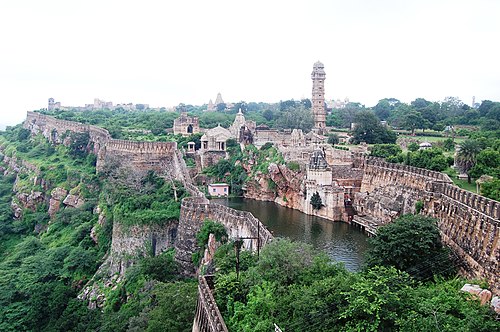
The Guhila dynasty ruled from Chittor Fort, which fell to the Delhi Sultanate in the Siege of Chittorgarh (1303), marking the end of the dynasty.
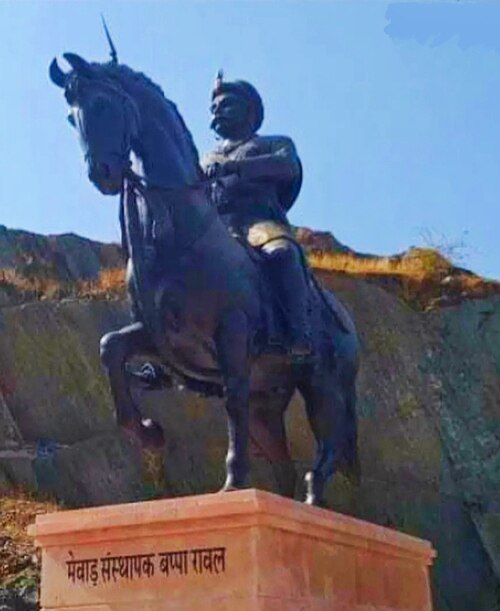
Statue of Bappa Rawal at Mewar (r.728 CE–763 CE).

Sahasra Bahu Temples in Nagda, Rajasthan, 10th century CE.

Sahasra Bahu Temples relief in Nagda, Rajasthan, 10th century CE.
Chaulukya dynasty
Videos
The Chaulukya dynasty, also Solanki dynasty, was a dynasty that ruled parts of what are now Gujarat and Rajasthan in north-western India, between c. 940 CE and c. 1244 CE. Their capital was located at


A 1010 CE copper-plate inscription from the reign of Durlabharaja

The Somnath temple today

Jain Shvetambara Tirthankara in Meditation, Chaulukya period now in Metropolitan Museum of Art, c. 1000 – c. 1050