Habib Bourguiba
Videos
Habib Bourguiba was a Tunisian lawyer, nationalist leader and statesman who led the country from 1956 to 1957 as the prime minister of the Kingdom of Tunisia (1956–1957) then as the first president of Tunisia (1957–1987). Prior to his presidency, he led the nation to independence from France, ending the 75-year-old protectorate and earning the title of "Supreme Combatant".


Ali Bourguiba surrounded by his sons Mohamed, Ahmed, M'hamed, Mahmoud and Habib

Bourguiba in 1917

Bourguiba wearing his lawyer dress in 1927
Arab nationalism
Videos
Arab nationalism is a political ideology asserting that Arabs constitute a single nation. As a traditional nationalist ideology, it promotes Arab culture and civilization, celebrates Arab history, glorifies the Arabic language as well as Arabic literature, and calls for the rejuvenation of Arab society through total unification. It bases itself on the premise that the people of the Arab world — from the Atlantic Ocean to the Arabian Sea — constitute one nation bound together by a common identity: ethnicity, language, culture, history, geography, and politics.

The Aqaba Flagpole in Aqaba, Jordan bearing the flag of the Arab Revolt. The Aqaba Flagpole is the sixth tallest free standing flagpole in the world.
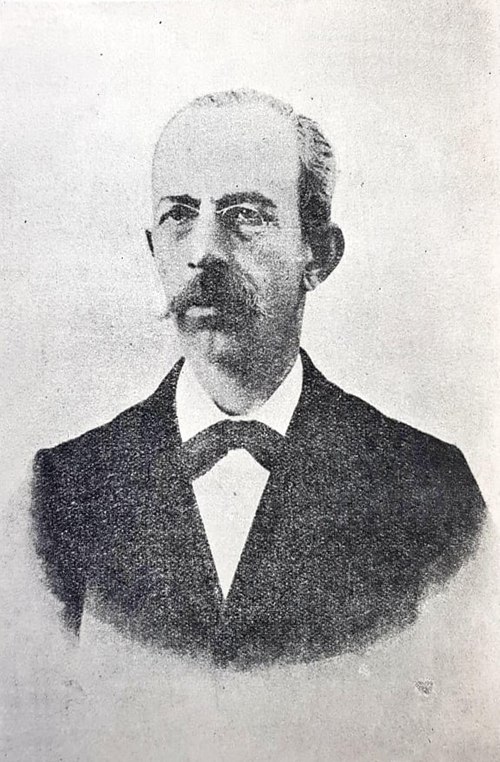
Ibrahim al-Yaziji (1847–1906)

Members of the Arab Higher Committee, 1936; clockwise, Jamal al-Husayni, Hussein Khalidi, Yaqub al-Ghusayn, Fuad Saba, Alfred Roke, Abdul Latif Es-Salah, Ahmed Hilmi, Amin al-Husayni, and Raghib al-Nashashibi.

Egyptian president Gamal Abdel Nasser returns to cheering crowds in Cairo after announcing the nationalization of the Suez Canal Company, August 1956.