Hawker Hurricane
Videos
The Hawker Hurricane is a British single-seat fighter aircraft of the 1930s–40s which was designed and predominantly built by Hawker Aircraft Ltd. for service with the Royal Air Force. It was overshad

Hurricane Mk I, R4118, currently the world's only airworthy Hurricane to have fought in the Battle of Britain

An early mock-up for the Hurricane's fuselage, showing side fuselage-mounted synchronised machine gun, like earlier British biplane fighters

K5083, the prototype, photographed before its first flight in November 1935

Hurricane production line, 1942
Hawker Aircraft
Videos
Hawker Aircraft Limited was a British aircraft manufacturer that was responsible for some of the most famous products in British aviation history.
Hawker Hurricane
…The Hawker Hurricane is a British single-seat fighter aircraft of the 1930s–40s which was designed and predominantly built by Hawker Aircraft Ltd. for service with the Royal Air Force (RAF). It was overshadowed in the public consciousness by the Supermarine Spitfire during the Battle of Britain…
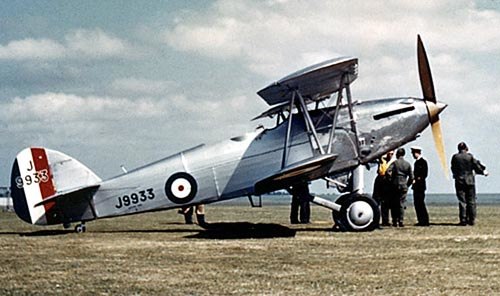
Hawker Hart G-ABMR

Hurricane Mk.I

Sea Fury

Hawker Hunter F.58 (ZZ190, ex-Swiss Air Force)) of Hawker Hunter Aviation arrives at the 2018 RIAT, England