Hawkwatching
Videos
Photos
Hawkwatching is a mainly citizen science activity where experienced volunteers count migratory raptors in an effort to survey migratory numbers. Groups of hawkwatchers often congregate along well-known migratory routes such as mountain ridges, coastlines and land bridges, where raptors ride on updrafts created by the topography. Hawkwatches are often formally or informally organized by non-profit organizations such as an Audubon chapter, state park, wildlife refuge or other important birding area. Some hawkwatches remain independent of any organizing structure.

A high flying osprey passes the Allegheny Front Hawk Watch as it migrates south for the winter. The distinct M-shape of the silhouette is a key identifier for this species.

Pete Dunne, director of the Cape May Bird Observatory, on the Cape May Hawkwatch platform
Citizen science
Videos
Photos
Citizen science is research conducted with participation from the general public, or amateur/nonprofessional researchers or participants for science, social science and many other disciplines. There are variations in the exact definition of citizen science, with different individuals and organizations having their own specific interpretations of what citizen science encompasses. Citizen science is used in a wide range of areas of study including ecology, biology and conservation, health and medical research, astronomy, media and communications and information science.

Scanning the cliffs near Logan Pass for mountain goats as part of the Glacier National Park Citizen Science Program

Citizen science volunteers and coordinator near a pond observe a frog.

Members of the Cascades Butterfly Citizen Science Team pictured on Sauk mountain
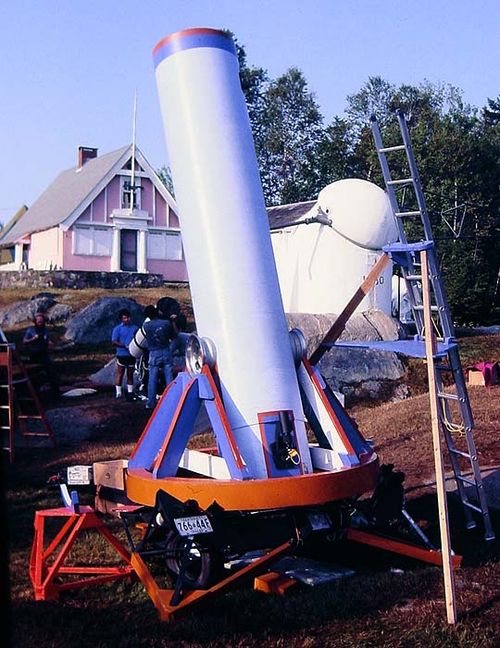
Amateur astronomers can build their own equipment and can hold star parties and gatherings, such as Stellafane.