History of Boston
Videos
The written history of Boston begins with a letter drafted by the first European inhabitant of the Shawmut Peninsula, William Blaxton. This letter is dated September 7, 1630, and was addressed to the
This diagram shows the original dimension of the Shawmut Peninsula. The gray areas marked with the words "New Boston" are the product of the period of land reclamation that began in 1803, coinciding with the first of the many commodity booms experienced by the city. The area marked Boston Common corresponds to William Blaxton's original property.


Quitclaim obtained by Boston city fathers in 1684 from a local sachem, backdating their ownership of the Shawmut Peninsula to 1630 and the city's foundation.

The 1638 building of Harvard College

A South-East View of the City of Boston in North America, printed at London, c. 1730
Boston Brahmin
Videos
The Boston Brahmins or New England Brahmin are members of Boston's historic upper class. From the late 19th century through the mid-20th century, they were often associated with a cultivated New Engla
History of Boston
…for many of the country's anti-slavery activities. In the 19th century city politics and society became dominated by a financial elite known as the Boston Brahmins. This entrenched power base squared off against the political challenge of more recent Catholic immigrants for the rest of the 19th century. Wealthy…
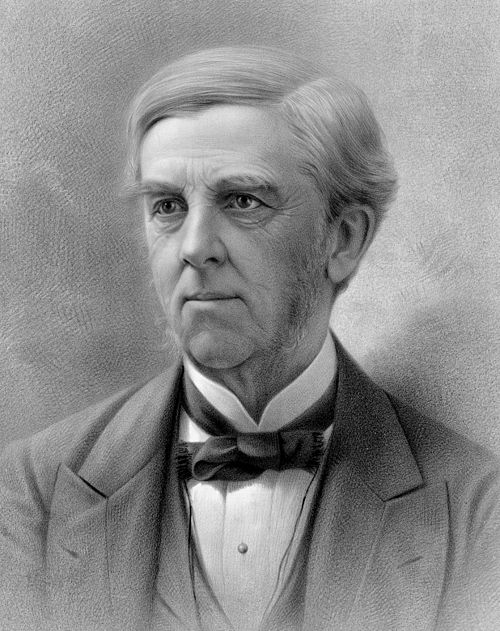
Oliver Wendell Holmes Sr., who coined the phrase "Boston Brahmin" in a January 1860 article he wrote for The Atlantic Monthly

The typical dress of the Boston elite, c. 1816–1817

Beacon Hill, a preeminent neighborhood for Boston Brahmin near the Massachusetts State House in Boston

Samuel Adams, American statesman, Massachusetts governor, and Founding Father of the United States