The history of Ireland between 1534 and 1691 saw the conquest and colonisation of the island by the English state and the settlement of tens of thousands of Protestant settlers from England, Wales and
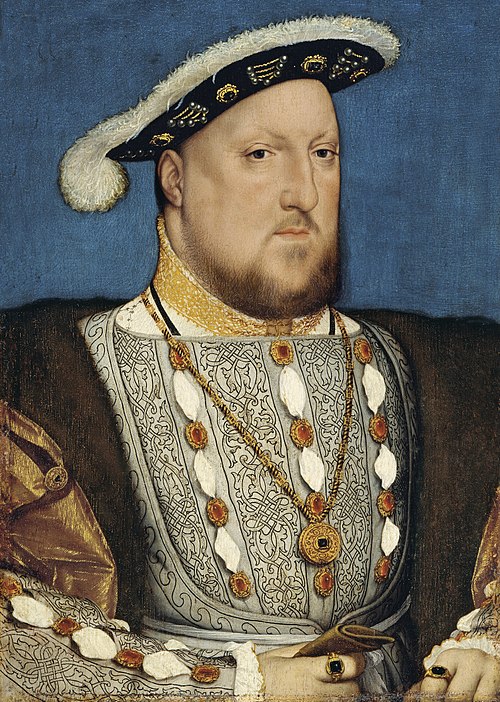
Henry VIII, King of England and Ireland, who founded the Kingdom of Ireland and began the English re-conquest of the country, by Hans Holbein the Younger
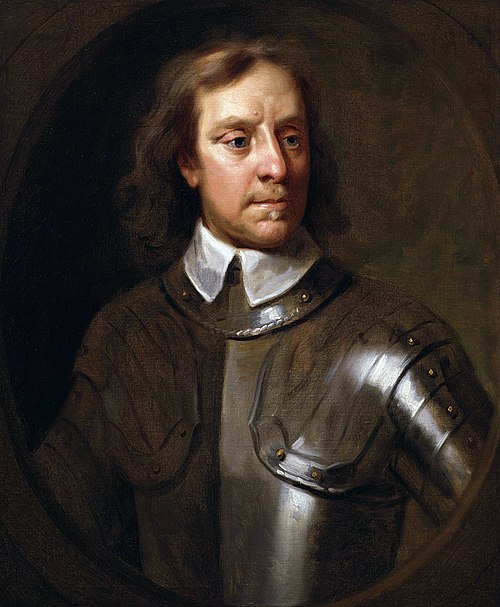
After Irish Catholic rebellion and civil war, Oliver Cromwell, on behalf of the English Commonwealth, re-conquered Ireland between 1649 and 1651. Under his government, landownership in Ireland passed overwhelmingly to Protestant colonists

Portrait of James II by Godfrey Kneller. Irish Catholics, known as Jacobites, fought for James in 1689–91, but they failed to restore him to the throne of Ireland, England and Scotland

Hugh O'Neill, 1608
Kingdom of Ireland
Videos
The Kingdom of Ireland was a dependency of England from 1542 to 1707, and then of Great Britain from 1707 to 1800. It was ruled by the monarchs of England and then of Great Britain in personal union,
History of Ireland (1534–1691)
…new settlement unless they converted to Protestantism. Re-conquest and rebellion (1534–1607) Henry VIII, King of England and Ireland, who founded the Kingdom of Ireland and began the English re-conquest of the country, by Hans Holbein the Younger There is some debate about why Henry VIII of England resolved to re-conquer…

English soldiers return from a battle with cattle, severed Irish heads, and Irish captives, from The Image of Irelande, 1581

Charlotte Schreiber's The Croppy Boy (1879), relating to the United Irishmen's Wexford Rebellion. A man, possibly a rebel from his green cravat, kneels before a Catholic priest who is covertly in military uniform. The church hierarchy opposed the rebellion.

Crowned harp on a farthing coin of 1744