History of anthropology
Videos
History of anthropology in this article refers primarily to the 18th- and 19th-century precursors of modern anthropology. The term anthropology itself, innovated as a Neo-Latin scientific word during
Cannibalism among "the savages" in Brazil, as described and pictured by André Thévet in 1555


Table of natural history, 1728 Cyclopaedia
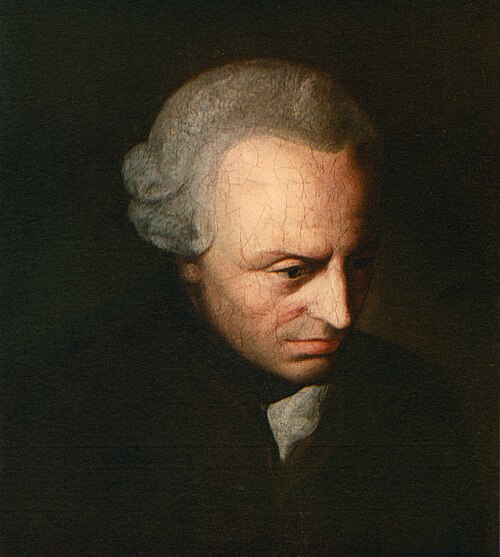
Immanuel Kant (1724–1804)

Sir E. B. Tylor (1832–1917), nineteenth-century British anthropologist
Anthropology
Videos
Anthropology is the scientific study of humanity that crosses biology and sociology, concerned with human behavior, human biology, cultures, societies, and linguistics, in both the present and past, i
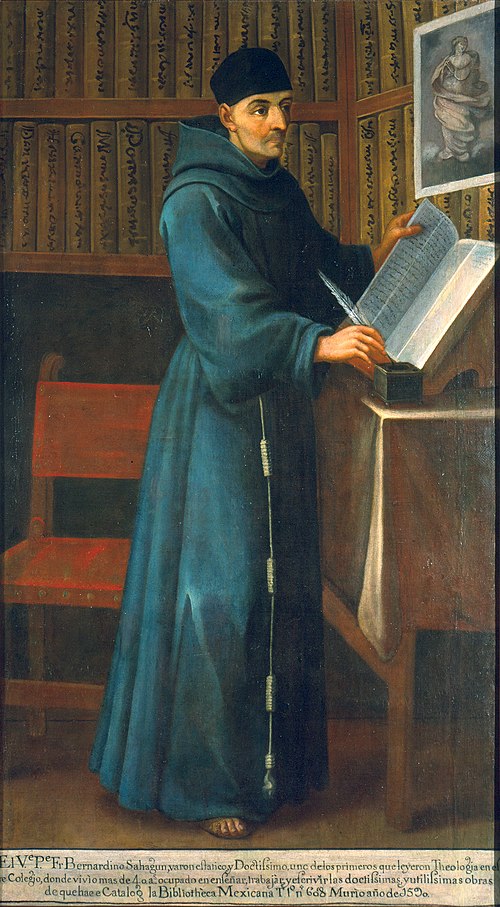
Bernardino de Sahagún is considered to be the founder of modern anthropology.

Forensic anthropologists can help identify skeletonized human remains, such as these found lying in scrub in Western Australia, c. 1900–1910.
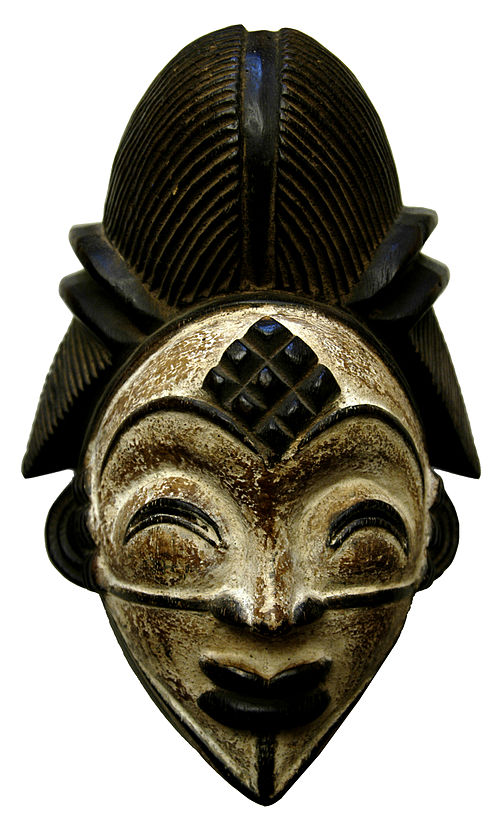
A Punu tribe mask, Gabon, Central Africa

Five of the seven known fossil teeth of Homo luzonensis found in Callao Cave