Macroeconomic theory has its origins in the study of business cycles and monetary theory. In general, early theorists believed monetary factors could not affect real factors such as real output. John
Top row: Fisher, Keynes, Modigliani Middle row: Solow, Friedman, Schwartz Bottom row: Sargent, Fischer, Prescott


Early monetary theorists Alfred Marshall, Arthur Cecil Pigou, and Keynes were based at University of Cambridge. Pigou and Keynes were associated with the constituent King's College (chapel shown above).

Keynes (right) with Harry Dexter White, assistant secretary of the U.S. Treasury, at a 1946 International Monetary Fund meeting
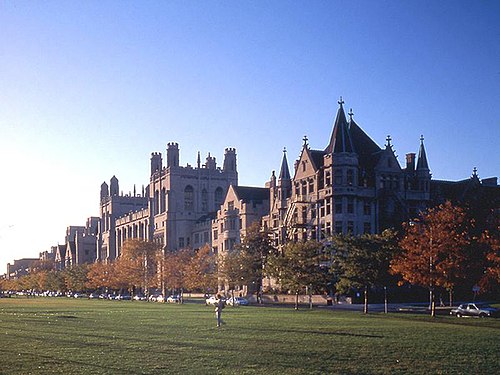
Much of new classical research was conducted at the University of Chicago.
Monetary economics
Videos
Monetary economics is the branch of economics that studies the nature, role, and impact of money and monetary institutions. It provides a framework for analyzing money and its core functions—as a medi

Silver coin of the Maurya Empire, known as rūpyarūpa, with symbols of wheel and elephant. 3rd century BC.

The French Indies Company issued rupees in the name of Muhammad Shah (1719–1748) for Northern India trade. This was cast in Pondicherry.