The Socialist Left Party of Norway was founded in 1975. Its history shows a long-term rise in political influence, resulting in part from its emergence from older left-wing parties, especially the Soc

Former party leader Kristin Halvorsen at the World Economic Forum panel discussion in January 2008
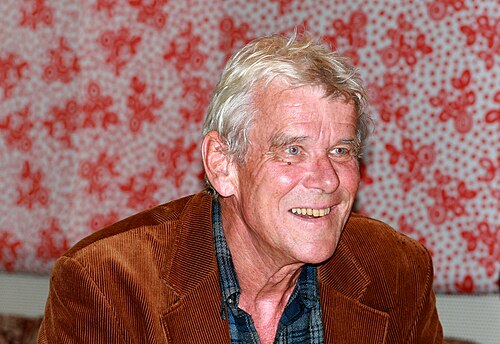
Theo Koritzinsky in Stavanger in 2008, after retiring from national politics

From left:Kristin Halvorsen (SV), Jens Stoltenberg (AP), Liv Signe Navarsete (Sp)
Socialist Left Party
Videos
The Socialist Left Party is a socialist political party in Norway. Positioned on the left-wing of the political spectrum, it is opposed to European Union and the European Economic Area membership. SV
History of the Socialist Left Party
…The Socialist Left Party of Norway (Norwegian: Sosialistisk Venstreparti or SV) was founded in 1975. Its history shows a long-term rise in political influence, resulting in part from its…

Solhjell was Minister of Education and Research before Halvorsen took over the office.

Norwegian International Security Assistance Force (ISAF) troops in Mazar-e-Sharif on 4 February 2009

Erik Solheim, party leader from 1987 to 1997, as seen in June 2009