Hittites
Videos
The Hittites were an Anatolian Indo-European people who formed one of the first major civilizations of the Bronze Age in West Asia. Possibly originating from beyond the Black Sea, they settled in nort

Sphinx Gate entrance to the city

The Great Temple in the inner city of Hattusa
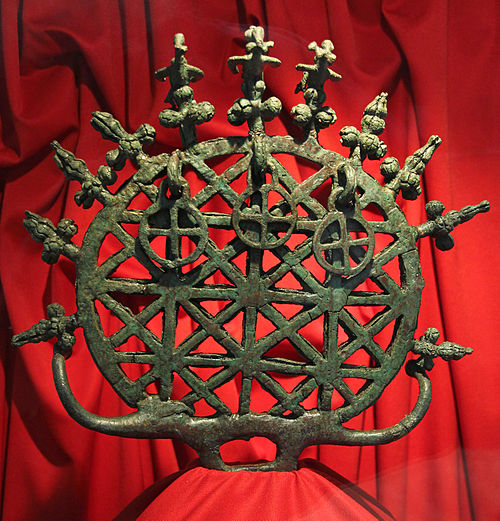
An Alaca Höyük bronze standard from a third millennium BC pre-Hittite tomb (Museum of Anatolian Civilizations, Ankara)
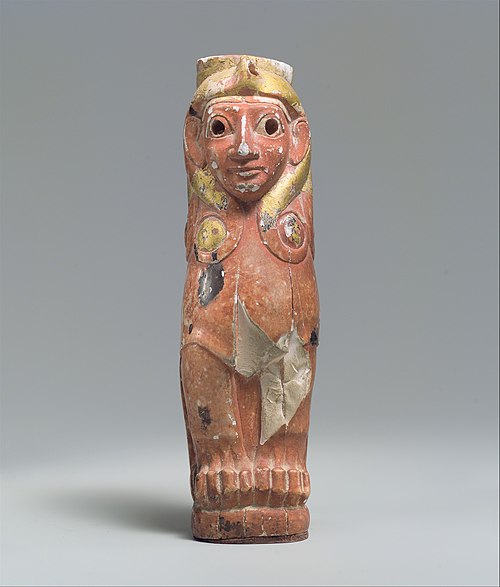
Ivory Hittite Sphinx, 18th century BC
Mitanni
Videos
Mitanni or Mittani, earlier called Ḫabigalbat in old Babylonian texts, c. 1600 BC; Ḫanigalbat or Ḫani-Rabbat in Assyrian records, or Naharin in Egyptian and some Akkadian texts, was a Hurrian-speaking
Hittites
…under Šuppiluliuma I, when it encompassed most of Anatolia and parts of northern Syria and Upper Mesopotamia, bordering the rival empires of the Hurri-Mitanni and Assyrians. Between the 15th and 13th centuries BC, the Hittites were the most dominant powers of the Near East, coming into conflict with the New…

Cylinder seal, c. 16th–15th century BC, Mitanni

Cylinder seal and modern impression: nude male, griffins, monkey, lion, goat, c. 15th/14th century BC, Mitanni

Cuneiform tablet containing a letter from Tushratta of Mitanni to Amenhotep III (of 13 letters of King Tushratta). British Museum

Cylinder seal, c. 1500–1350 BC, Mitanni