Holiness movement
Videos
The Holiness movement is a Christian movement that emerged chiefly within 19th-century Methodism, and to a lesser extent influenced other traditions, such as Quakerism, as well as parts of Anabaptism
The sign of this Wesleyan Methodist church displays the times for the Sunday morning service of worship and Sunday evening service of worship, consistent with the historical First-day Sabbatarian doctrine of Methodism to keep the Lord's Day holy. The midweek Wednesday prayer service (a common Methodist observance) is indicated on the sign as well.


An engraving of a Methodist camp meeting in 1819. Library of Congress.

Henry Clay Morrison, a Methodist evangelist and founder of Asbury Theological Seminary
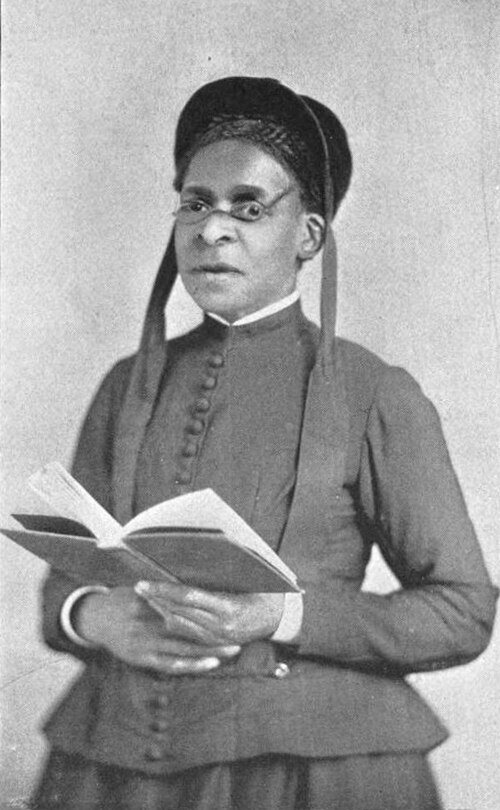
Julia A. J. Foote, an elder in the African Methodist Episcopal Zion Church, preached Christian holiness in the pulpits of her connection. Her autobiography has the theme of entire sanctification interwoven in it and concludes with "How to Obtain Sanctification".
Restorationism
Videos
Restorationism, also known as Christian primitivism, is a religious perspective holding that the early beliefs and practices of the followers of Jesus were either lost or adulterated after the deaths
Holiness movement
…emerged chiefly within 19th-century Methodism, and to a lesser extent influenced other traditions, such as Quakerism, as well as parts of Anabaptism and Restorationism. Churches aligned with the holiness movement teach that the life of a born-again Christian should be free of sin. The movement is historically distinguished…

Huldrych Zwingli as depicted by Hans Asper in an oil portrait from 1531, Kunstmuseum Winterthur.

James Robinson Graves

A 1839 Methodist camp meeting, watercolor from the Second Great Awakening. Methodist preachers taught the doctrines of the New Birth and entire sanctification to the masses.

Alexander Campbell