Hong Kong 1 July marches
Videos
The Hong Kong 1 July protests were annual protest rallies originally held by the Civil Human Rights Front from the day of handover in 1997 on the HKSAR establishment day. However, it was not until 200

Water cannons deployed during the Hong Kong 1 July march in 2020, which is viewed as the last marches seen on that day after all those years

Hong Kongers dressed in white and walked out along Paterson Street.

Hong Kongers walked out of their holiday (photo taken outside Hong Kong Central Library).

Protesters participated despite the bad weather.
The Law of the People's Republic of China on Safeguarding National Security in the Hong Kong Special Administrative Region is a national law of China on Hong Kong national security passed on 30 June 2
Hong Kong 1 July marches
…for 1 July. In 2020, despite a police ban citing gathering limits during the COVID-19 pandemic, and a dramatically altered legal situation due to the national security law that had come into force only the previous evening, marches with a total of tens of thousands of participants took place in several parts of the city…
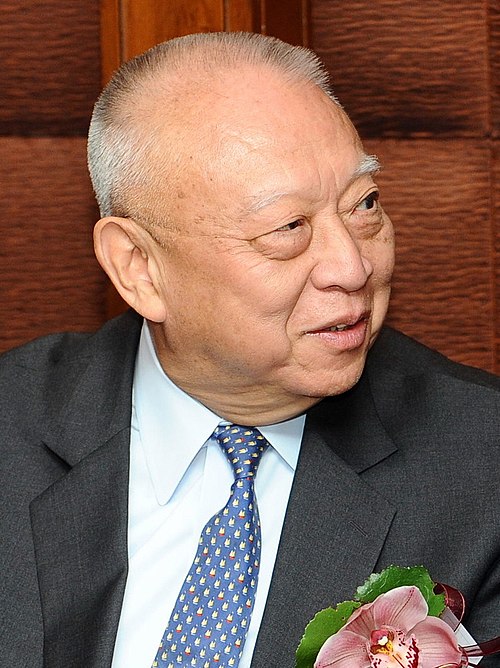
Tung Chee-hwa was responsible for Hong Kong's failed legislation attempt. Protests in June and July 2003 were in part due to the economic downturn after, and mishandling of, the 2002–2004 SARS outbreak.

Chinese vice premier Liu He meeting with US president Donald Trump in May 2018. The two nations' deteriorating relations have been suggested as a cause for the Chinese government imposing more restrictions on Hong Kong.

Three prominent pro-democracy activists Nathan Law (left), Agnes Chow (middle), and Joshua Wong (right) left their party Demosistō on 30 June. Later that day, the party announced that it would disband with immediate effect.

Hong Kong protesters flying both the Union Jack and the colonial Dragon and Lion flag in 2019