Hughes Medal
Videos
The Hughes Medal is awarded by the Royal Society "in recognition of an original discovery in the physical sciences, particularly electricity and magnetism or their applications." The medal is named af

Hughes Medal
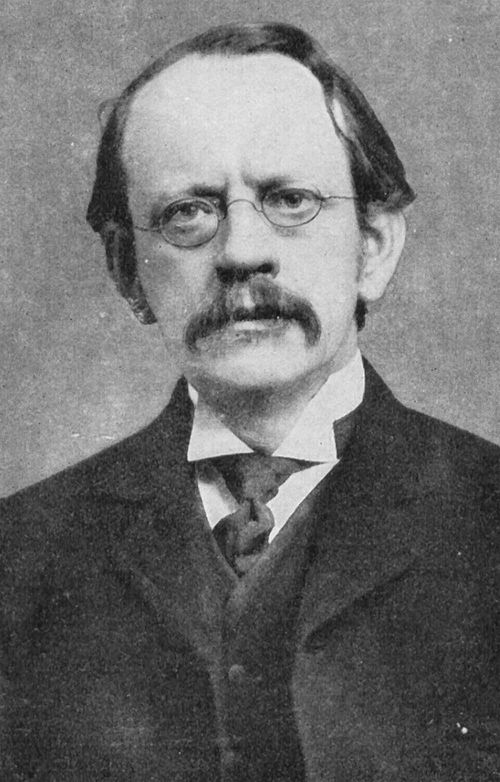
J.J Thomson

Hittorf portrait from Festschrift 1904

Joseph Wilson Swan
Abdus Salam
Videos
Mohammad Abdus Salam was a Pakistani theoretical physicist and Nobel laureate. He shared the 1979 Nobel Prize in Physics with Steven Weinberg and Sheldon Glashow "for their contributions to the theory
Hughes Medal
…phenomena and their correlation with atomic and molecular properties." 1963 Frederic Calland Williams "For distinguished work on early computers." 1964 Abdus Salam "For his distinguished contributions to quantum mechanics and the theory of fundamental particles." 1965 Denys Haigh Wilkinson "For his distinguished…
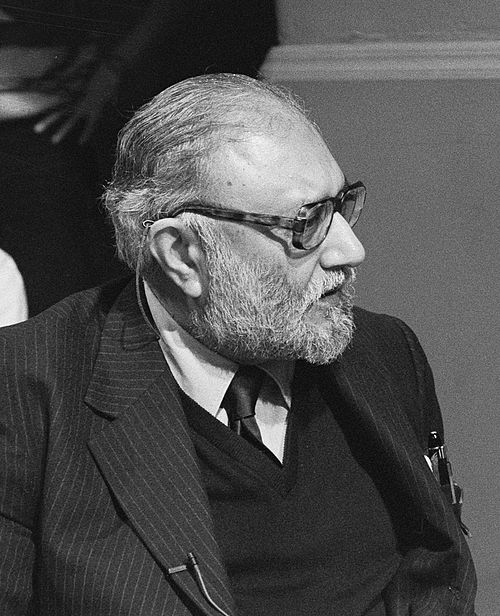
Salam in 1987

St John's College, Cambridge, where Salam studied.

Abdus Salam at the Fifth International Conference on High Energy Physics (ICHEP), 1955, Rochester
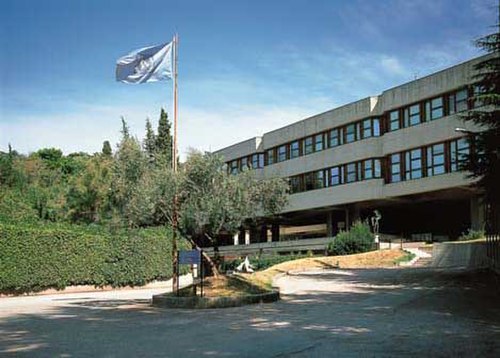
The Abdus Salam International Centre for Theoretical Physics was founded by Salam in 1964.