Hurricane Isabel
Videos
Hurricane Isabel was a large and powerful Category 5 Atlantic hurricane that struck the east coast of the United States in September 2003. The ninth named storm, fifth hurricane, and second major hurr
Isabel at peak intensity, northeast of the Leeward Islands, on September 11

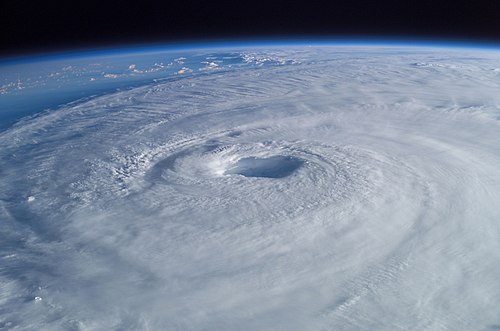
Hurricane Isabel as seen from the International Space Station
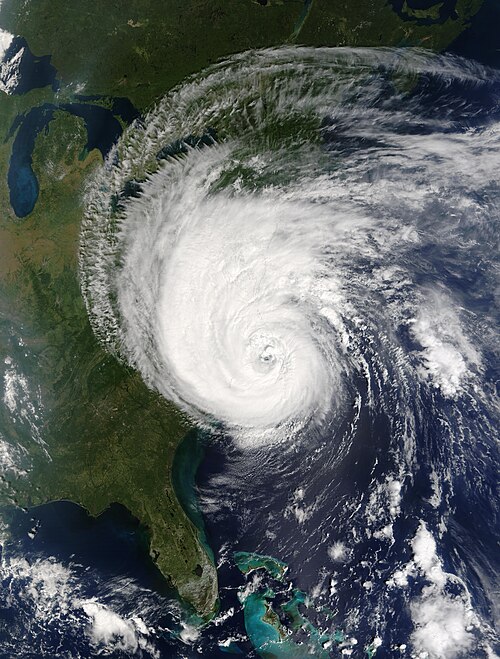
Hurricane Isabel making landfall in North Carolina on September 18

Hurricane Isabel's extratropical remnant over the Northeastern United States on September 19
Eye (cyclone)
Videos
The eye is a region of mostly calm weather at the center of a tropical cyclone. The eye of a storm is a roughly circular area, typically 30–65 kilometers in diameter. It is surrounded by the eyewall,
Hurricane Isabel
…developed around a circular area of deep convection near the center. It steadily strengthened as it moved to the west-northwest, developing a large ragged eye located near the deepest convection. On September 7, Isabel strengthened into a hurricane, the fifth hurricane of the season. The eye, overall convective…

Typhoon Trami showing a well-defined eye at the center of the storm as seen from the International Space Station
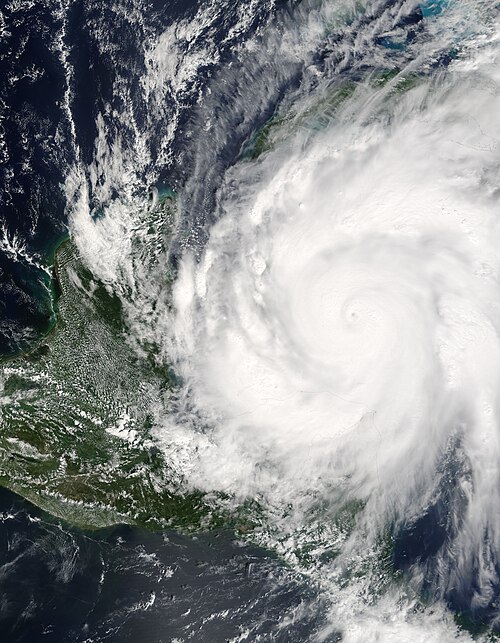
Hurricane Wilma with a pinhole eye

Mesovortices visible in the eye of Hurricane Emilia in 1994

View of Typhoon Maysak's eye from the International Space Station displaying a pronounced stadium effect