Hystaspes or Guštāsp, was a Persian satrap of Bactria and Persis. He was the father of Darius I, king of the Achaemenid Empire, and Artabanus, who was a trusted advisor to both his brother Darius as w

A "Niebuhr inscription" reading "Darius the Great King, King of Kings, King of countries, son of Hystaspes, an Achaemenian, who built this Palace".

Position of Hystaspes in the Achaemenid lineage according to Darius the Great in the Behistun inscription.
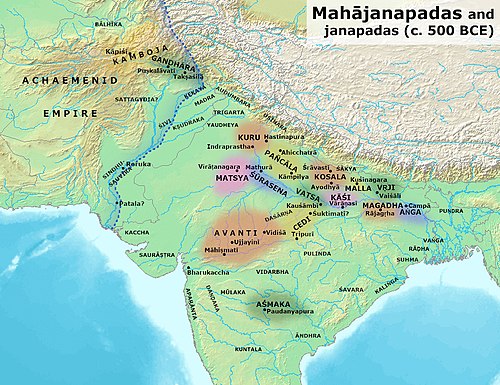
According to Ammianus Marcellinus, Hystaspes penetrated deep into India, where he learned from the Brahmins. Historically, this corresponds to the time of the Achaemenid conquest of the Indus Valley.

Darius In Parse
Darius the Great
Videos
Darius I, commonly known as Darius the Great, was the third King of Kings of the Achaemenid Empire, reigning from 522 BCE until his death in 486 BCE. He ruled the empire at its territorial peak, when
Hystaspes (father of Darius I)
…Ancient Greek: Ὑστάσπης Hustáspēs) or Guštāsp (Persian: گشتاسپ Guštāsp) (fl. 550 BC), was a Persian satrap of Bactria and Persis. He was the father of Darius I, king of the Achaemenid Empire, and Artabanus, who was a trusted advisor to both his brother Darius as well as Darius' son and successor, Xerxes I. The…

The relief stone of Darius the Great in the Behistun inscription

Gold foundation tablets of Darius I for the Apadana Palace, in their original stone box. The Apadana coin hoard had been deposited underneath (c. 510 BCE).

One of the two gold deposition plates. Two more were in silver. They all had the same trilingual inscription (DPh inscription).

"Gaumata" being trampled upon by Darius the Great, Behistun inscription. The Old Persian inscription reads "This is Gaumâta, the Magian. He lied, saying "I am Smerdis, the son of Cyrus, I am king"."