Immigration
Videos
Immigration is the international movement of people to a destination country of which they are not usual residents or where they do not possess nationality in order to settle as permanent residents. C

The global population of immigrants has grown since 1990 but has remained constant at around 3% of the world's population.

The largest Vietnamese market in Prague, also known as "Little Hanoi". In 2009, there were about 70,000 Vietnamese in the Czech Republic.

London has become multiethnic as a result of immigration. In London in 2008, Black British and British Asian children outnumbered white British children by about 3 to 2 in government-run schools.

The Iron Curtain in Europe was designed as a means of preventing emigration. "It is one of the ironies of post-war European history that, once the freedom to travel for Europeans living under communist regimes, which had long been demanded by the West, was finally granted in 1989/90, travel was very soon afterwards made much more difficult by the West itself, and new barriers were erected to replace the Iron Curtain." —Anita Böcker
The white genocide, white extinction, or white replacement conspiracy theory is a white nationalist conspiracy theory that claims there is a deliberate plot to cause the extinction of white people thr
Immigration
…Skilled worker#Migration White genocide conspiracy theory Women migrant workers from developing countries…

Anti-immigrant protesters in Calais hold a sign in French reading "Diversity is a code word for white genocide", above a banner calling for remigration (8 November 2015).
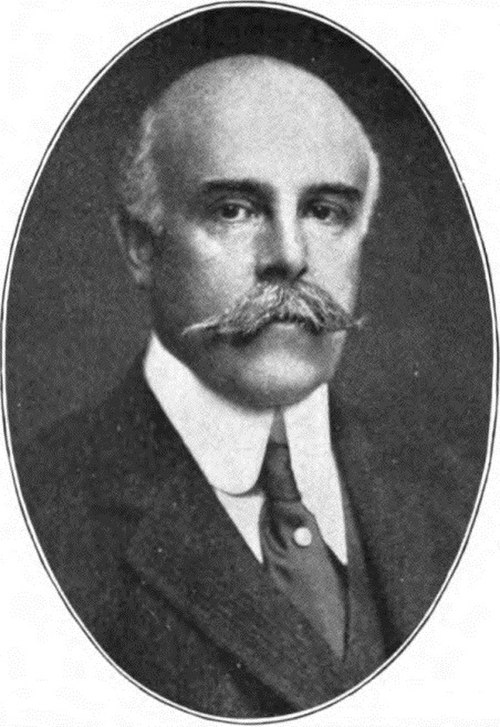
Madison Grant

Ian Smith c. 1954

David Duke