Immunity (medicine)
Videos
In biology, immunity is the state of being insusceptible or resistant to a noxious agent or process, especially a pathogen or infectious disease. Immunity may occur naturally or be produced by prior e
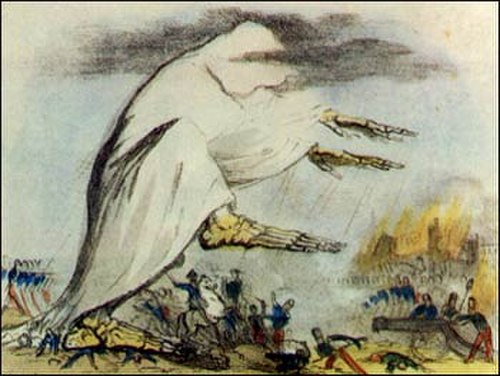
A representation of the cholera epidemic of the 19th century

Louis Pasteur in his laboratory, 1885, by Albert Edelfelt

One of the first bottles of diphtheria antitoxin produced (dated 1895)

Poster from before the 1979 eradication of smallpox, promoting vaccination
Innate immune system
Videos
The innate immune system or nonspecific immune system is one of the two main immunity strategies in vertebrates. The innate immune system is an alternate defense strategy and is the dominant immune sy
Immunity (medicine)
…especially a pathogen or infectious disease. Immunity may occur naturally or be produced by prior exposure or immunization. The immune system has innate and adaptive components. Innate immunity is present in all metazoans, immune responses: inflammatory responses and phagocytosis. The adaptive component…
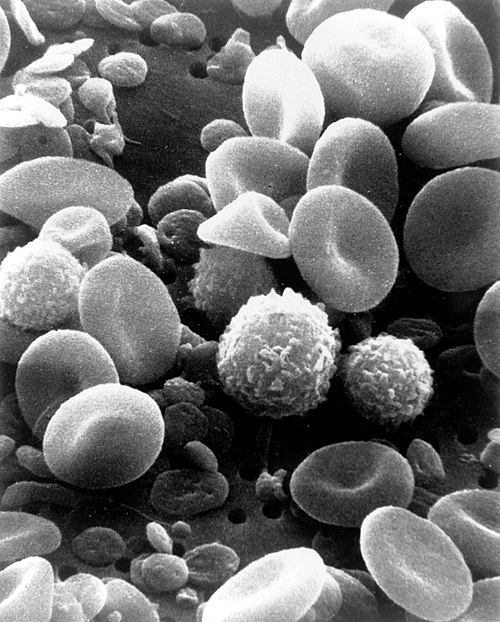
A scanning electron microscope image of normal circulating human blood. One can see red blood cells, several knobby white blood cells including lymphocytes, a monocyte, a neutrophil, and many small disc-shape platelets.

A macrophage