Indo-Persian culture
Videos
Indo-Persian culture refers to a cultural synthesis present on the Indian subcontinent. It is characterised by the absorption or integration of Persian aspects into the various cultures of modern-day
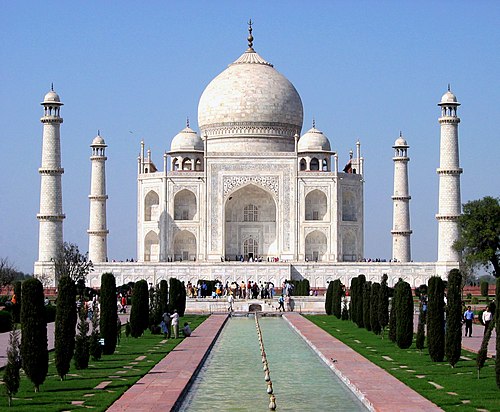
The Mughal era Taj Mahal in Agra, Uttar Pradesh unites Persian and Indian cultural and architectural elements; it is among the most famous examples of Indo-Persian culture as well as a symbol of Indian culture in its own right.

Alexander Visits the Sage Plato, from Khamsa-e Nizami by the Persian poet Amir Khusro.

Ruins of a madrassa built by Mahmud Gawan, the Bahmani minister.
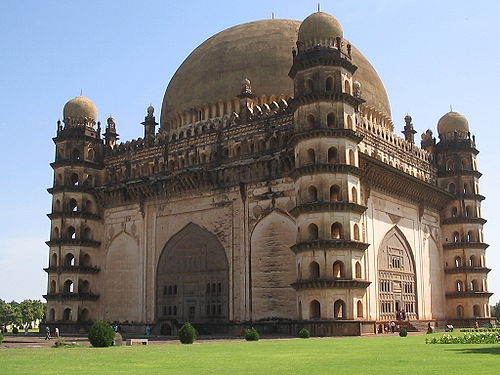
Gol Gumbaz, the mausoleum of Mohammed Adil Shah, Sultan of Bijapur.
Mughlai cuisine
Videos
Mughlai cuisine consists of delicately-spiced dishes developed or popularised in the early-modern Indo-Persian cultural centres of the Mughal Empire. It represents a combination of cuisine of the Indi
Indo-Persian culture
…This was especially under the Mughals, who invited cooks (bawarchis) from various parts of the Islamic world. This resultant cuisine is referred to as Mughlai cuisine, and has left a great impact on the regional eating habits of South Asia. It was further developed in the kitchens of regional Islamic powers, leading…

Murgh musallam, a Mughlai dish of spiced marinated chicken

The Mughal Emperor Jahangir entertaining Shah Abbas, with servants and refreshments. By Bishandas, c. 1620

Mutton biryani

Keema matar