Infrared countermeasure
Videos
An infrared countermeasure is a device designed to protect aircraft from infrared homing missiles by confusing the missiles' infrared guidance system so that they miss their target. Heat-seeking missi

BAE Hot Brick infrared jammer

Sukhoi Su-27 shoots off flares

C-130 Hercules deploys flares, sometimes called angel flares because of their characteristic pattern

An ALQ-144 modulated IRCM jammer
Infrared homing
Videos
Infrared homing is a passive weapon guidance system which uses the infrared light emission from a target to track and follow it seamlessly. Missiles which use infrared seeking are often referred to as

A modern German Air Force IRIS-T infrared homing air-to-air missile
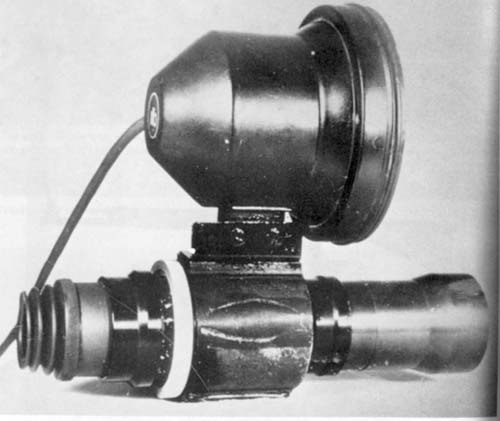
The Vampir nightscope used a photomultiplier as the sighting system and provided illumination with an IR lamp mounted above the scope.

The Madrid seeker was being developed for the Enzian surface-to-air missile.
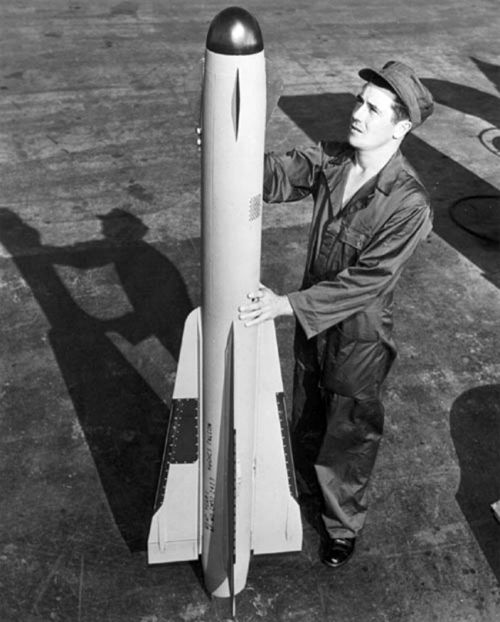
The AIM-4 Falcon was the first IR guided missile to enter service. The translucent dome allows the IR radiation to reach the sensor.