Irish republicanism
Videos
Irish republicanism is the political movement which advocates the establishment of an Irish republic, void of any British rule. Throughout its centuries of existence, it has encompassed various tactic

The Battle of Killala marked the end of the rising

Michael Dwyer

Depiction of Robert Emmet's trial

William Smith O'Brien, leader of the Young Ireland movement
The Troubles
Videos
The Troubles were an ethno-nationalist conflict in Northern Ireland that lasted for about 30 years from the late 1960s to 1998. Also known internationally as the Northern Ireland conflict, it began in
Irish republicanism
…armed campaigns, continued in the newly-formed state of Northern Ireland, a region of the United Kingdom. Tensions in the territory culminated in widespread conflict by 1969. This prompted paramilitaries: republicans assembled under the Provisional Irish Republican Army (PIRA), who waged a campaign against the British…

The Battle of the Boyne (12 July 1690) by Jan van Huchtenburg
![Protestant demonstrators burning an effigy of Daniel O’Connell, an incident that sparked the Belfast riots of 1864[self-published source?]](https://upload.wikimedia.org/wikipedia/commons/thumb/8/81/Walter_Paget_-_Scene_in_the_Belfast_Riots%2C_1864.jpg/500px-Walter_Paget_-_Scene_in_the_Belfast_Riots%2C_1864.jpg)
Protestant demonstrators burning an effigy of Daniel O’Connell, an incident that sparked the Belfast riots of 1864[self-published source?]

The Ulster Covenant was issued in protest against the Third Home Rule Bill in September 1912.
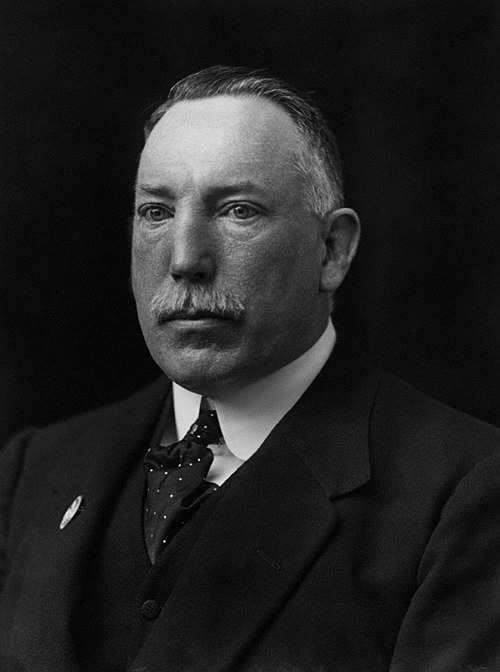
Sir James Craig, 1st Prime Minister of Northern Ireland, who said, "All I boast is that we are a Protestant Parliament and Protestant State"