Irrigation in Peru
Videos
Water resources and irrigation infrastructure in Peru vary throughout the country. The coastal region, an arid but fertile land, has about two-thirds of Peru's irrigation infrastructure due to private
Irrigation on the Urubamba River (December 1999)


Irrigation in the Marañón Valley between Chachapoyas (Amazonas Region) and Celendín in Northern Peru

Irrigation in the Chili Valley in the Arequipa Region
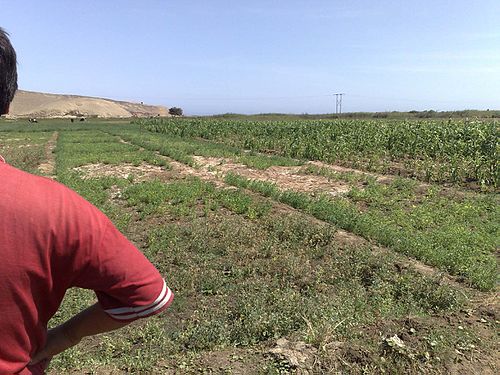
Looking over the shoulder of a tail-end farmer in Huarmey delta at irrigated saline land with poor crop stand.
The environmental impact of irrigation relates to the changes in quantity and quality of soil and water as a result of irrigation and the subsequent effects on natural and social conditions in river b
Irrigation in Peru
…downstream of the project: reduced surface water availability, increased groundwater inflow, water logging, polluted incoming water see also: Environmental impact of irrigation The environmental effects often impoverish tail-end farmers…

The first environmental effect is increased crop growth, such as in the Rubaksa gardens in Ethiopia.

Water becomes scarce for nomadic pastoralist in Baluchistan due to new irrigation developments.