Istrian–Dalmatian exodus
Videos
The Istrian–Dalmatian exodus was the post–World War II exodus and departure of local ethnic Italians as well as ethnic Slovenes and Croats from Yugoslavia. The emigrants, who had lived in the now Yugo

Palace of the Roman Emperor Diocletian, Split

The Napoleonic Kingdom of Italy from 1806 to 1810 included Istria and Dalmatia that had belonged to the Republic of Venice until 1797.
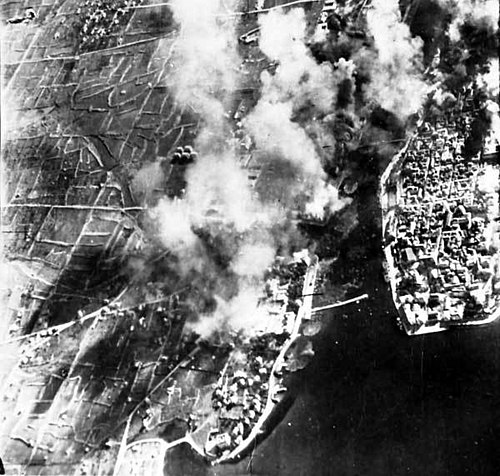
Bombing of Zadar in World War II by the Allies (1944): from these events began the exodus of the Dalmatian Italians from the city.

The foiba di Basovizza, near Trieste
Lidia Bastianich
Videos
Lidia Giuliana Matticchio Bastianich is an American celebrity chef, television host, author, and restaurateur. Specializing in Italian and Italian-American cuisine, Bastianich has been a regular contr
Istrian–Dalmatian exodus
…Mario Andretti, racing driver Lidia Bastianich, chef Nino Benvenuti, boxer: three times professional world's champion and Olympic gold medalist…

Bastianich at the 2014 Texas Book Festival