James II of England
Videos
James II and VII was King of England and Ireland as James II and King of Scotland as James VII from February 1685 until he was deposed in the 1688 Glorious Revolution. The last Catholic monarch of Eng
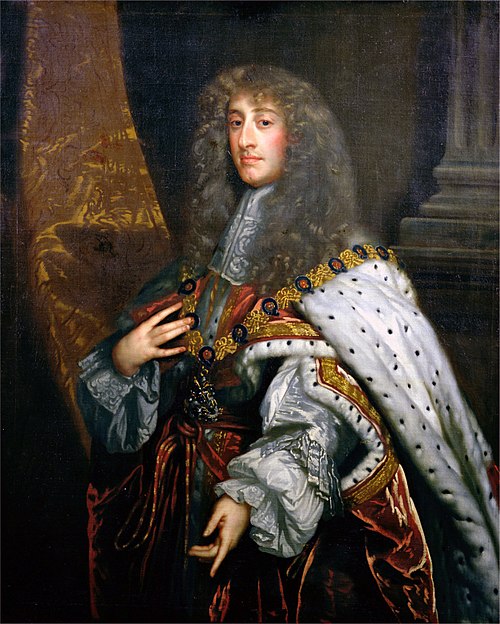

Reception of James and his brother Charles in Bruges on 2 October 1656

James and Anne Hyde in the 1660s, by Sir Peter Lely

Wedding suit of James II, 1673, in the Victoria and Albert Museum
Anne, Queen of Great Britain
Videos
Anne was Queen of England, Scotland, and Ireland from 8 March 1702, and Queen of Great Britain and Ireland following the ratification of the Acts of Union 1707 merging the kingdoms of England and Scot
James II of England
…was born less than two months later, but died in infancy, as did five further children. Only two daughters survived: Mary (born 30 April 1662) and Anne (born 6 February 1665). Samuel Pepys wrote that James was fond of his children and his role as a father, and played with them "like an ordinary private…


Anne (centre) and her sister Mary (left) with their parents, the Duke and Duchess of York, painted by Peter Lely and Benedetto Gennari II
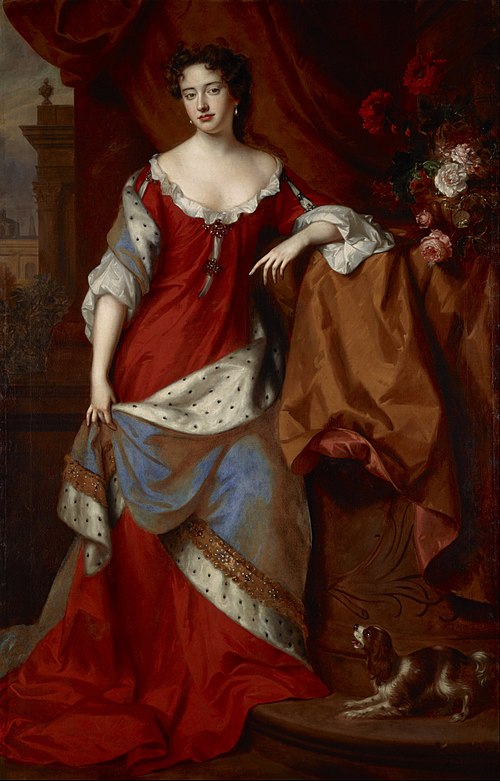
Anne, c. 1684, painted by Willem Wissing and Jan van der Vaardt

Mary of Modena and James Francis Edward Stuart, Anne's stepmother and half-brother