Japanese economic miracle
Videos
The Japanese economic miracle refers to a period of economic growth in post–World War II Japan. It generally refers to the period from 1955, around which time the per capita gross national income of t

Although SCAP banned all military-related activities including research, such as aviation, their foundations survived and became the basis for the resurgence of Japan's heavy industries in the 1950s.

Consumer electronics shops in Tokyo in 1971: consumer electronics and cars became symbols of the Japanese middle class

Japanese coal- and metal-related industry experienced an annual growth rate of 25% in the 1960s, with the steel plant of Nippon Steel Corporation in Chiba Prefecture being a notable one.
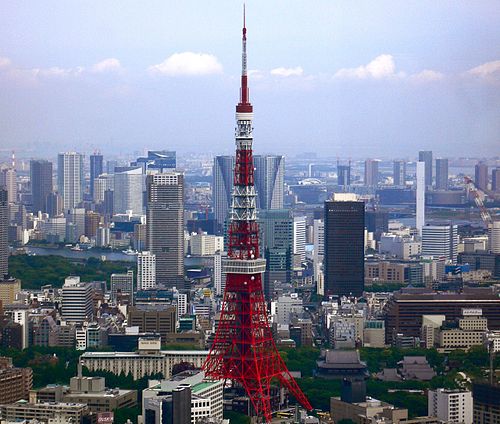
Tokyo Tower and around Skyscrapers
Occupation of Japan
Videos
Japan was occupied and administered by the Allies of World War II from the surrender of the Empire of Japan on September 2, 1945, at the war's end until the Treaty of San Francisco took effect on Apri
Japanese economic miracle
…Japan, industrial production decreased in 1946 to 27.6% of the pre-war level, but recovered in 1951 and reached 350% in 1960. By the end of the American occupation of Japan in 1952, the United States had successfully reintegrated Japan into the global economy and rebuilt the economic infrastructure that would later form…

May 1946: The Indian Army 2nd Battalion 5th Royal Gurkha Rifles march through Kure, Hiroshima soon after their arrival in Japan.

Street Stall, Tokyo, 21 November 1945

Nihonbashi, Tokyo, in 1946

Gaetano Faillace's famous photo of Douglas MacArthur and Emperor Hirohito