Javanese script
Videos
Javanese script, also known as hanacaraka, carakan, and dentawyanjana, is one of Indonesia's traditional scripts developed on the island of Java. The script is primarily used to write the Javanese lan

Serat Yusuf in palm leaf (lontar) form, Tropenmuseum collection

Serat Yusuf in paper codex form, Sonobudoyo Museum collection

Details of Serat Selarasa manuscript copied in Surabaya, 1804. The two leftmost figures can be seen reciting a text.

Opening pages of Serat Jatipustaka copied in 1830, Denver Museum collection
Abugida
Videos
An abugida —sometimes also called an alphasyllabary, neosyllabary, or pseudo-alphabet—is a segmental writing system in which consonant–vowel sequences are written as units; each unit is based on a con
Javanese script
…as the provinces of Central Java and East Java as part of the local curriculum, but with very limited function in everyday use. Javanese script is an abugida writing system which consists of 20 to 33 basic letters, depending on the language being written. Like other Brahmic scripts, each letter (called an…
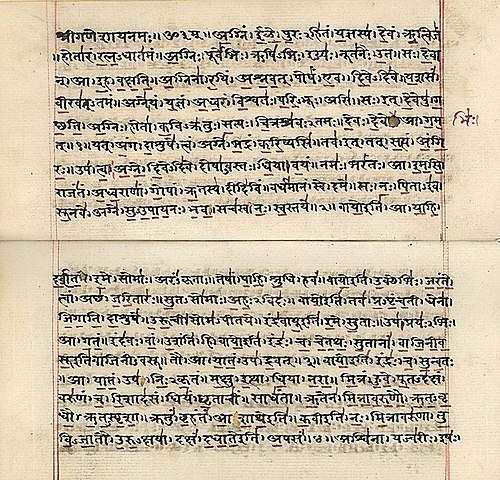
A 19th-century manuscript in the Devanagari script
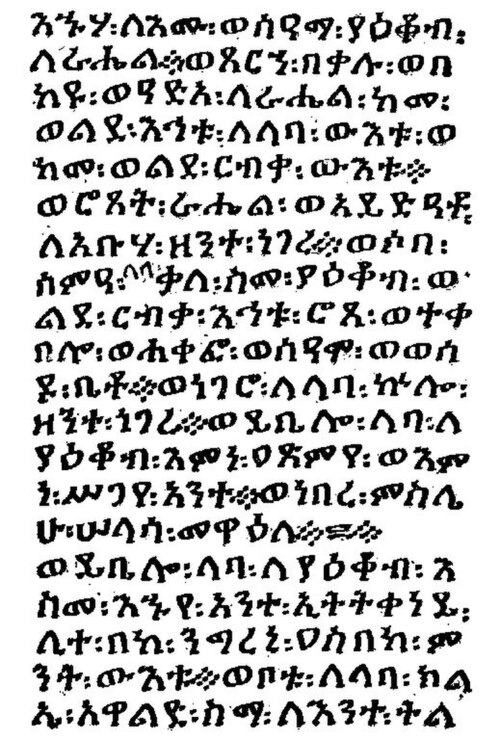
The Geʽez script, an abugida of Eritrea and Ethiopia