Jawi script
Videos
Jawi is a writing system used for writing several languages of Southeast Asia, such as Acehnese, Banjarese, Betawi, Iranun, Kutainese, Maguindanao, Malay, Mëranaw, Minangkabau, Tausūg, Ternate, and ma

Letter from William Farquhar to Sultan Muhammad Kanzul Alam, the sultan of Brunei, dated 28 November 1819

A tombstone in Aceh with Jawi inscription dated from 16th or 17th century. The inscription are: 1st row: bahwasanya inilah nisan kubur 2nd row: yang mulia bernama Meurah Meukuta 3rd row: bergelar orang kaya kapai

A copy of Undang-Undang Melaka ('Laws of Malacca'). The Malacca system of justice as enshrined in the text was the legal source for other major regional sultanates like Johor, Perak, Brunei, Pattani, and Aceh.

Street name signs in Shah Alam, Malaysia, include both Jawi and Latin script
Malaysia
Videos
Malaysia is a country in Southeast Asia. A federal constitutional monarchy, it consists of 13 states and three federal territories, separated by the South China Sea into two regions: Peninsular Malays
Jawi script
…Period c. 9th century to the present (limited use in cultural & religious affairs only) Direction Right-to-left Official script Co-official: Brunei Malaysia Regional: Aceh Indonesia Philippines (Bangsamoro) Thailand Myanmar Vietnam (Champa) Languages Acehnese (Jawoe) Banjarese Betawi Iranun Kutainese…

The Dutch fleet battling with the Portuguese armada as part of the Dutch–Portuguese War in 1606 to gain control of Malacca
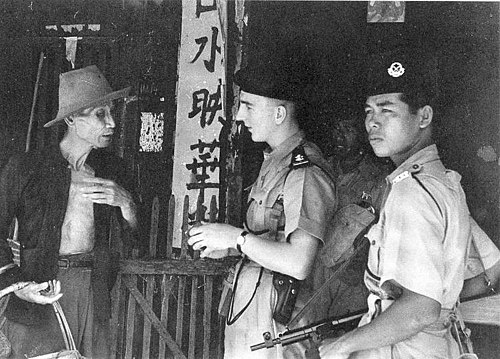
Malayan police officers questioning an ethnic Chinese civilian during the Malayan Emergency in 1949

Ibrahim Iskandar King

Anwar Ibrahim Prime Minister