Jean-Baptiste Cope
Videos
Jean Baptiste Cope was also known as Major Cope, a title he was probably given from the French military, the highest rank given to Mi’kmaq. Cope was the sakamaw of the Mi'kmaq people of Shubenacadie,

Signature of Jean Baptiste Cope (Beaver)

Monument to the Treaty of 1752, Sipekneꞌkatik First Nation, Nova Scotia
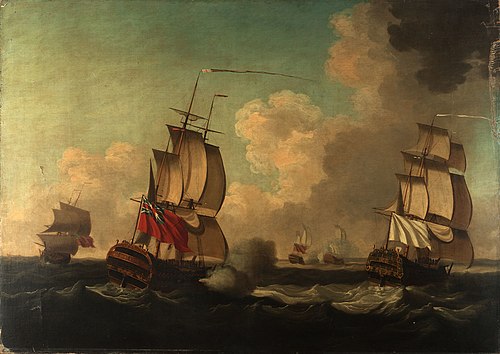
Capture of French ships Alcide and Lys off Newfoundland. The ships were carrying war supplies for Acadians and Mi'kmaq

Cope's burial site, St. Aspinquid’s Chapel (Chain Rock Battery, Point Pleasant Park, Nova Scotia)
Father Le Loutre's War
Videos
Father Le Loutre's War, also known as the Indian War, the Mi'kmaq War and the Anglo-Mi'kmaq War, took place in the years between King George's War and the French and Indian War in Acadia and Nova Scot
Jean-Baptiste Cope
…Indian Brook 14, Nova Scotia/ Mi’kma'ki). He maintained close ties with the Acadians along the Bay of Fundy, speaking French and being Catholic. During Father Le Loutre’s War, Cope participated in both military efforts to resist the British and also efforts to create peace with the British. During the French and Indian War…

Lieutenant-General Peregrine Lascelles, Commander 47th Regiment
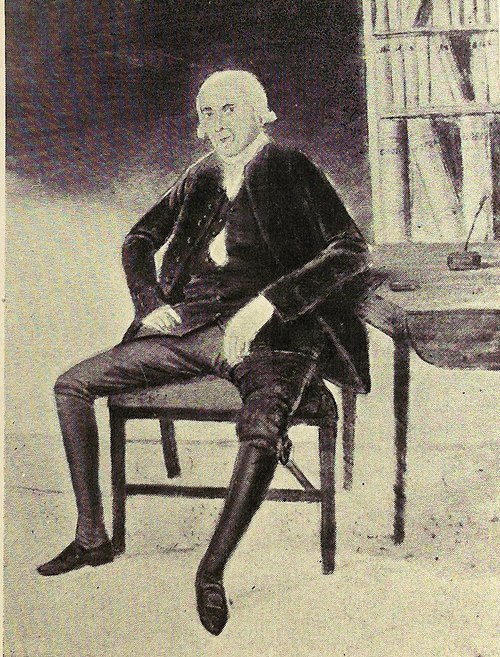
Richard Bulkeley, the Lieutenant Governors of Nova Scotia noted that Nova Scotia "was kept in an uninterrupted state of war by the Acadians."

Father Jean-Louis Le Loutre led the Acadian Exodus, an event that saw half of the Acadian population in the Acadian peninsula relocate to French-controlled territories further inland.

Edward Cornwallis, the Governor of Nova Scotia