John Batman
Videos
John Batman was an Australian grazier, entrepreneur and explorer, who had a prominent role in the founding of Melbourne. He was also involved in many attacks against Aboriginal Australians.
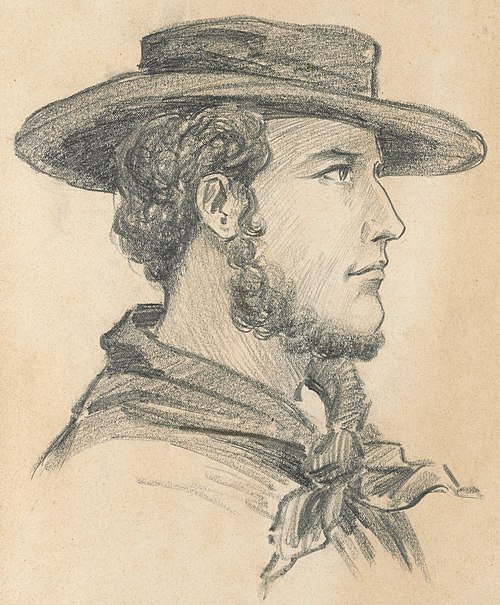
Early-20th-century drawing of Batman, based on an earlier engraving

John Glover's painting Batman's Lookout, Benn Lomond (c. 1840). A neighbour and fierce critic of Batman, Glover based the title of the painting on Batman's "frequenting this spot to entrap the Natives."

A late-19th century artist's impression of Batman's Treaty being signed
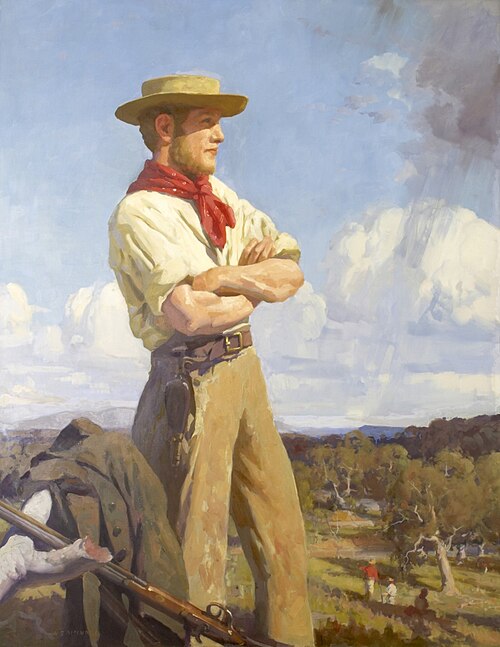
Painting of Batman by William Beckwith McInnes
Black War
Videos
The Black War was a period of violent conflict between British colonists and Aboriginal Tasmanians in Tasmania from the mid-1820s to 1832 which precipitated the near-extermination of the Indigenous po
John Batman
…Diemen's Land (modern-day Tasmania) in the 1820s, where he rose to prominence for hunting bushrangers and leading massacres of Aboriginal people in the Black War. He later co-founded the Port Phillip Association and led an expedition which explored the Port Phillip area on the Australian mainland with the goal…

Natives on the Ouse River, Van Diemen's Land by John Glover, 1838

Tasmanian tribes at the time of first European contact

Samuel Calvert's depiction of Aboriginals attacking a shepherds' hut as released in The Illustrated Melbourne Post

Proclamation board labelled "Governor Davey's Proclamation" painted in Van Diemen's Land about 1830, in the time of Governor Arthur. Nailed to trees, proclamation boards were designed to show Aboriginal people the benefits of living in peace with colonists under an idealised equal British justice.