John Kennedy Toole
Videos
John Kennedy Toole was an American novelist from New Orleans, Louisiana, whose posthumously published novel, A Confederacy of Dunces, won the Pulitzer Prize for Fiction in 1981. At 16 in 1954, he wrot
Toole in 1954

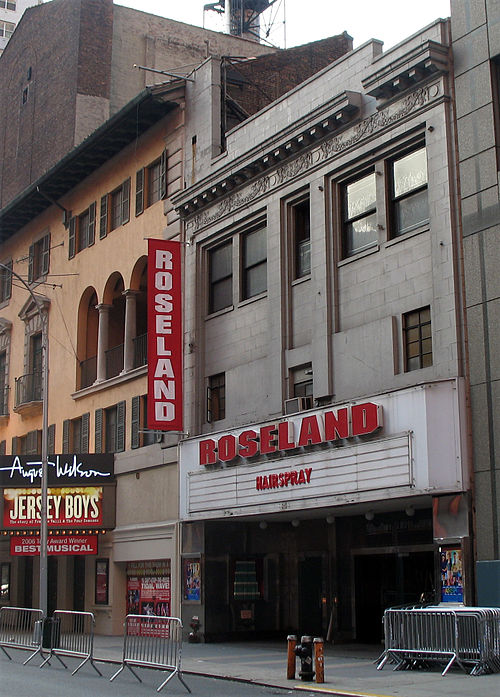
While studying at Columbia University in New York City, one of Toole's favorite activities was dancing at the Roseland Ballroom with girlfriend Ruth Kathmann. For $2.00 they could dance to big band music all night.

Fortuna with the Wheel of Fortune from a medieval manuscript of a work by Boccaccio. Fortuna, as interpreted by Boethius in his Consolation of Philosophy, was a favorite subject of Toole's A Confederacy of Dunces protagonist Ignatius J. Reilly.

Toole made an unannounced trip to see editor Robert Gottlieb in person at the Simon & Schuster building in New York City in February 1965. When he found out Gottlieb was out of town, Toole felt humiliated.
Walker Percy
Videos
Walker Percy, OblSB was an American writer whose interests included philosophy and semiotics. Percy is noted for his philosophical novels set in and around New Orleans; his first, The Moviegoer, won t
John Kennedy Toole
…from the car exhaust into the car window. After his death, his mother brought the manuscript of A Confederacy of Dunces to the attention of novelist Walker Percy, who was crucial in the book's publication. In 1981, Toole was posthumously awarded the Pulitzer Prize for Fiction. Toole was born to John Dewey Toole…

Percy in 1987

Lower Saranac Lake in the Adirondacks, where Percy spent time recovering from tuberculosis