Joseon
Videos
Joseon, officially Great Joseon State, was a dynastic kingdom of Korea that existed for 505 years. It was founded by Taejo of Joseon in 1392 and replaced by the Korean Empire in 1897. The kingdom was
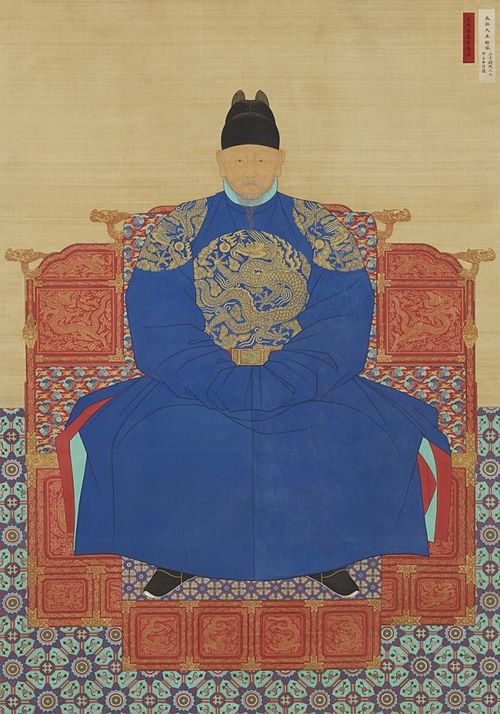
King Taejo's portrait
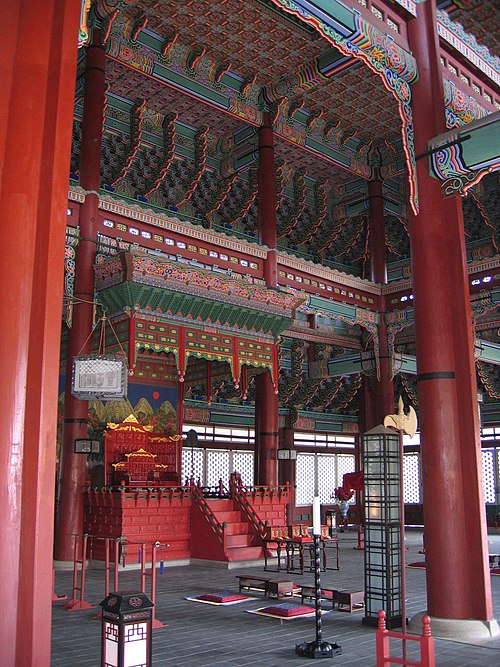
The throne room at Gyeongbokgung
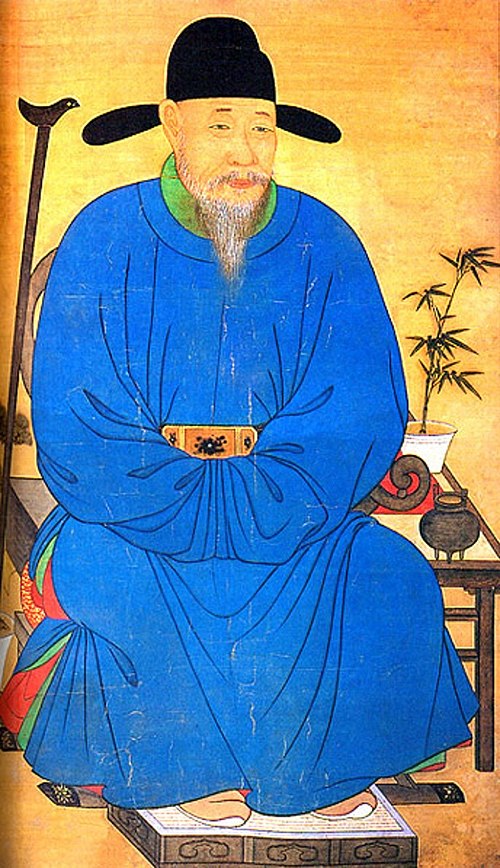
Portrait of Ha Yeon, who served as Chief State Councillor during King Sejong's reign

A page from the Hunmin Jeongeum Eonhae, a partial translation of Hunminjeongeum, the original promulgation of the Korean alphabet
Gojong of Korea
Videos
Gojong, personal name Yi Jaehwang, later changed to Yi Hui, also known as the Gwangmu Emperor, was the penultimate Korean monarch. He ruled Korea for 43 years, from 1864 until his forced abdication in
Joseon
…Externally, Joseon became increasingly isolationist. Its rulers sought to limit contact with foreign countries. In 1863, King Gojong took the throne. His father, Heungseon Daewongun, ruled for him until Gojong reached adulthood. During the mid-1860s the regent was the main proponent…
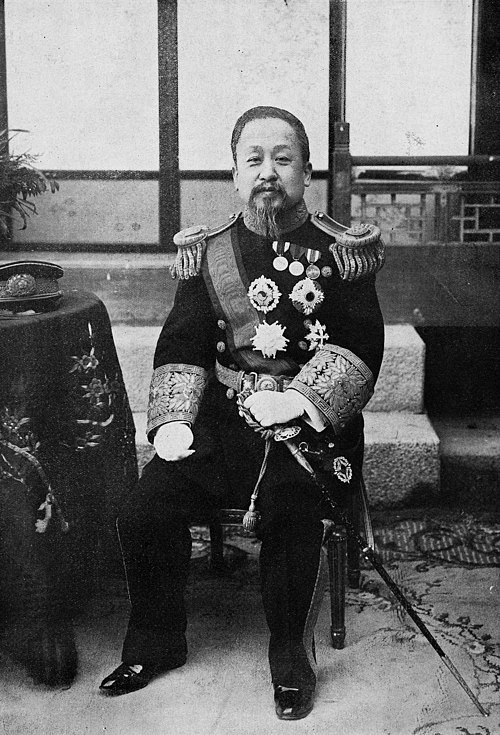
Gojong in 1907

Portrait of Gojong (age 49), by Chae Yong-sin

Portrait of Gojong wearing Tongcheonggwan and Gangsapo

Gojong and the Crown Prince Sunjong with their Pickelhaube