Joseph Johnson (publisher)
Videos
Joseph Johnson was an influential 18th-century English bookseller and publisher. His publications covered a wide variety of genres and a broad spectrum of opinions on important issues. Johnson is best
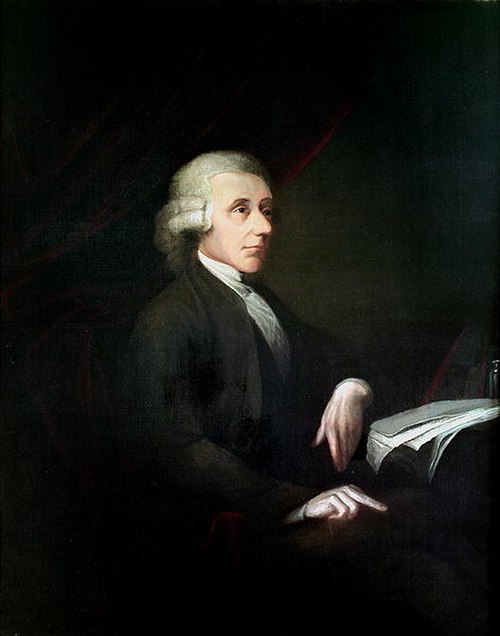
Engraving of Johnson by William Sharp, after a painting by Moses Haughton the Elder

Johnson commissioned this portrait of his close friend Joseph Priestley from his other close friend Henry Fuseli around 1783. The portrait is today in the collections of Dr Williams's Library.

Forms of Prayer (1783) by Joseph Priestley, a Unitarian liturgy published by Joseph Johnson

The second English edition of Francis Stoughton Sullivan's Lectures on the Constitution and Laws of England, published by Johnson in 1776
Mary: A Fiction
Videos
Mary: A Fiction is the only complete novel by 18th-century British feminist Mary Wollstonecraft. It tells the tragic story of a woman's successive "romantic friendships" with a woman and a man. Compos
Joseph Johnson (publisher)
…her creditors, secured lodgings for her, and advanced payment on her first book, Thoughts on the Education of Daughters (1787), and her first novel, Mary: A Fiction (1788). Johnson included Wollstonecraft in the exalted company of his weekly soirées, where she met famous personages, such as Thomas Paine and her…

Title page from Mary: A Fiction; epigraph by Rousseau reads: "L'exercice des plus sublimes vertus éleve et nourrit le génie" ("the exercise of the most sublime virtues raises and nourishes genius")

Rousseau's Julie, or the New Heloise (1761), from which Wollstonecraft drew the epigraph for Mary

Otto Scholderer's Young Girl Reading (1883); in Mary, Wollstonecraft criticizes women who imagine themselves as sentimental heroines.

Mary Wollstonecraft by John Opie (c. 1791)