Kannada
Videos
Kannada is a Dravidian language spoken predominantly in the state of Karnataka in southwestern India, and spoken by a minority of the population in all neighbouring states. It has 44 million native sp
The Halmidi inscription at Halmidi village, in old-Kannada, is usually dated to 450 AD (Kadamba Dynasty).
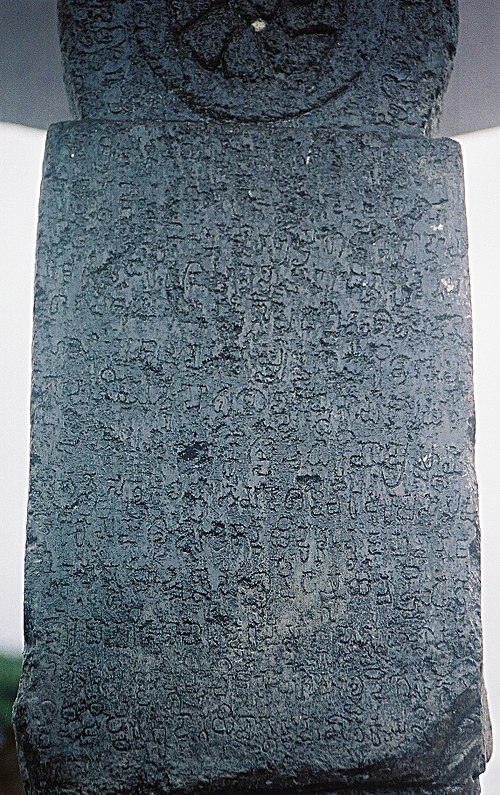

Old-Kannada inscription dated 578 AD (Badami Chalukya dynasty), outside Badami cave no.3

Old-Kannada inscription of c. 726 AD, discovered in Talakad, from the rule of King Shivamara I or Sripurusha (Western Ganga Dynasty)
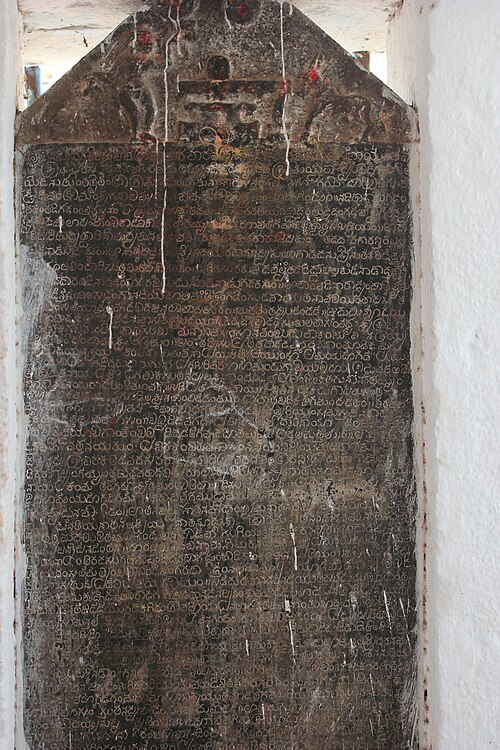
Old-Kannada inscription of the 9th century (Rashtrakuta Dynasty) at Durga Devi temple in Hampi, Karnataka
Kannadigas
Videos
The Kannadigas or Kannadigaru, often referred to as Kannada people, are a Dravidian ethnic group primarily native to the southern Indian state of Karnataka and its surrounding regions. They natively s
Kannada
…Kannada script Pronunciation Native to India Region Karnataka North Tamil Nadu South Maharashtra West Andhra Pradesh Telangana North Kerala Goa Ethnicity Kannadigas Speakers L1: 44 million (2011) L2: 15 million (2011) Language family Dravidian Southern Southern I Tamil–Kannada Kannadoid Kannada Early form Proto-Dravidan…

Kannada schoolchildren celebrating Ugadi

Hampi, capital of Vijayanagara Empire
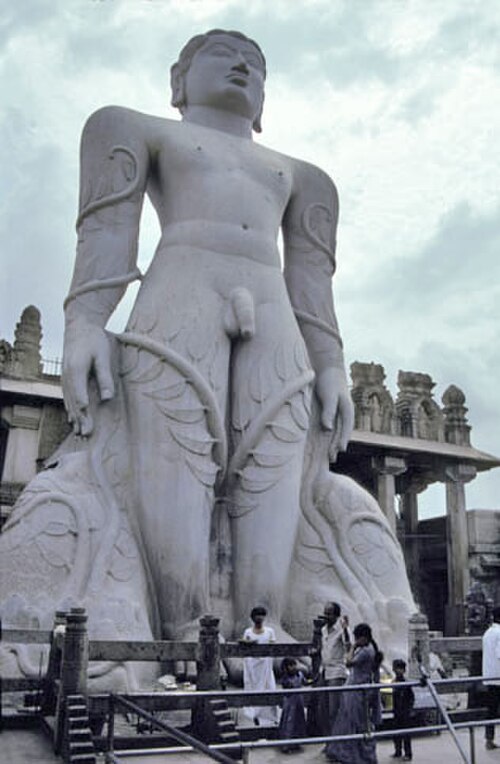
57-foot monolithic statue of Gommateshvara Bahubali dated 978–993 AD.

Traditional folk house with courtyard and tulasi katte.