Keep
Videos
A keep is a type of fortified tower built within castles during the Middle Ages by European nobility. Scholars have debated the scope of the word keep, but usually consider it to refer to large towers

The Norman (c. 1126) keep of Rochester Castle, England (rear). The shorter rectangular tower attached to the keep is its forebuilding, and the curtain wall is in the foreground.

Peñafiel Castle, Spain

Reconstructed keep at Saint-Sylvain-d'Anjou in Maine-et-Loire

The Norman keep at Colchester Castle in Essex, built in a Romanesque style on the foundations of a Roman temple
Castle
Videos
A castle is a type of fortified structure built during the Middle Ages predominantly by the nobility or royalty and by military orders. Scholars usually consider a castle to be the private fortified r
Keep
…A keep is a type of fortified tower built within castles during the Middle Ages by European nobility. Scholars have debated the scope of the word keep, but usually consider it to refer to large towers in…
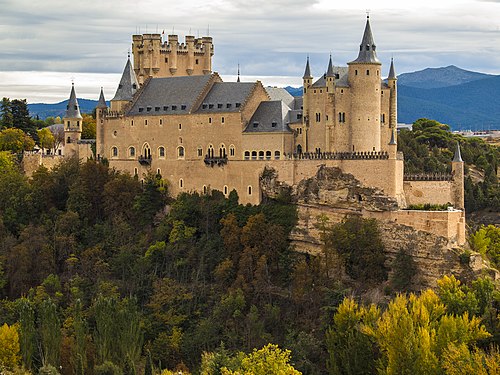
Dating back to the early 12th century, the Alcázar of Segovia, Spain, is one of the most distinctive castles in Europe.

Built in 1385, Bodiam Castle in East Sussex, England, is surrounded by a water-filled moat.

The White Tower, the keep of the Tower of London, overlooking the River Thames. It exemplifies all uses of a castle including city defence, a residence, and a place of refuge in times of crisis.
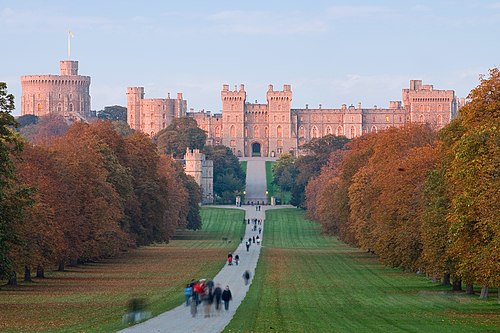
Windsor Castle in England was founded as a fortification during the Norman Conquest and was one of the principal official residences of Queen Elizabeth II during her reign.