Kraków
Videos
Kraków, officially the Royal Capital City of Kraków, is the second-largest and one of the oldest cities in Poland. Situated on the Vistula River in Lesser Poland Voivodeship, the city has a population

Krakow Rynek Glowny panorama 2

Wawel Cathedral Front

Church of Saints Apostles Peter and Paul, 52a Grodzka street, Kraków, Poland

Wawel Royal Castle courtyard, 4 Wawel, Old Town, Krakow, Poland
Poland
Videos
Poland, officially the Republic of Poland, is a country in Central Europe. It extends from the Baltic Sea in the north to the Sudetes and Carpathian Mountains in the south, and borders Lithuania and R
Kraków
…Kraków, officially the Royal Capital City of Kraków, is the second-largest and one of the oldest cities in Poland. Situated on the Vistula River in Lesser Poland Voivodeship, the city has a population of 816,614 (2025), with 1,428,363 people living in the Kraków…

A reconstruction of a Bronze Age Lusatian culture settlement in Biskupin, 8th century BC
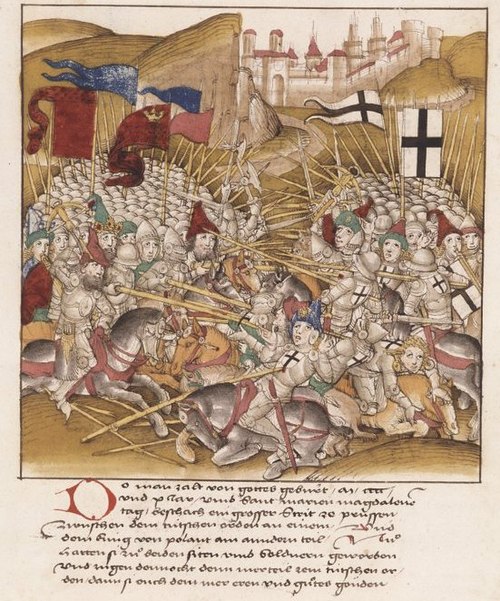
The Battle of Grunwald was fought against the German Order of Teutonic Knights, and resulted in a decisive victory for the Kingdom of Poland, 15 July 1410.

Wawel Castle in Kraków, seat of Polish kings from 1038 until the capital was moved to Warsaw in 1596

King John III Sobieski defeated the Ottoman Turks at the Battle of Vienna on 12 September 1683.