Landing at Cape Helles
Videos
The landing at Cape Helles was part of the Gallipoli campaign, the amphibious landings on the Gallipoli peninsula by British and French forces on 25 April 1915 during the First World War. Helles, at t

Sedd-el-Bahr fort seen from the bow of SS River Clyde during the landing at V Beach

SS River Clyde at V Beach

V Beach about two days after the landing, seen from the bow of River Clyde

Modern view of V Beach from Cape Helles. Sedd-el-Bahr (Seddülbahir in modern Turkish) is in the background with Sedd-el-Bahr fort behind it. V Beach CWGC Cemetery is in the middle of the picture.
Aylmer Hunter-Weston
Videos
Lieutenant-General Sir Aylmer Gould Hunter-Weston, was a British Army officer who served in the First World War on the Western Front, at Gallipoli in 1915, and in the very early stages of the Somme Of
Landing at Cape Helles
…After dark, another demonstration was made by the French in Besika Bay. The Helles landing was mismanaged by the British commander, Major General Aylmer Hunter-Weston. V and W beaches became bloodbaths, despite the meagre defences, while the easy landings at other sites were not exploited. Although the British managed…
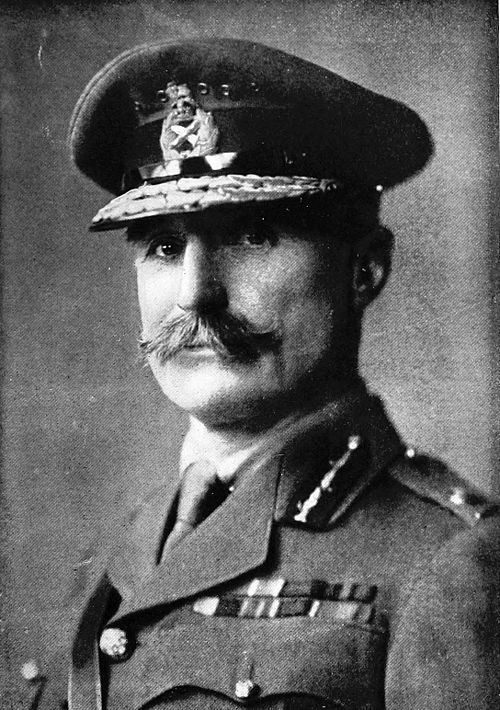
Aylmer Hunter Weston

Sir Aylmer Hunter-Weston.

Lieutenant General Aylmer Hunter-Weston at the headquarters of British VIII Corps, Cape Helles, Gallipoli, 1915.

Major-General Aylmer Hunter-Weston, along with two members of his staff, in the trench leading to his dug-out, the entrance to which, protected by sand-bags, is seen in the background, July 1915.