Lava dome
Videos
In volcanology, a lava dome is a circular, mound-shaped protrusion resulting from the slow extrusion of viscous lava from a volcano. Dome-building eruptions are common, particularly in convergent plat
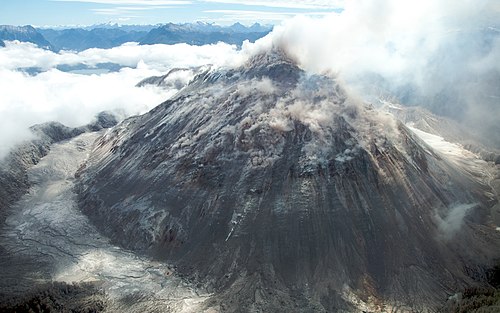
Rhyolitic lava dome of Chaitén Volcano during its 2008–2010 eruption
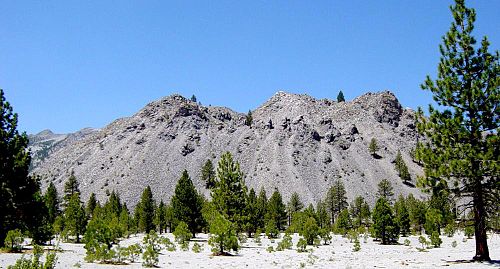
One of the Inyo Craters, an example of a rhyolite dome

Nea Kameni seen from Thera, Santorini
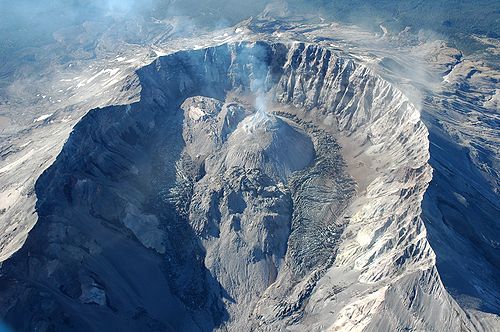
Lava domes in the crater of Mount St. Helens
Mount St. Helens
Videos
Mount St. Helens is an active stratovolcano located in Skamania County, Washington, in the Pacific Northwest region of the United States. It lies 52 miles northeast of Portland, Oregon, and 98 miles s
Lava dome
…Venus, and Mars, e.g. the Martian surface in the western part of Arcadia Planitia and within Terra Sirenum. Dome dynamics Lava domes in the crater of Mount St. Helens Lava domes evolve unpredictably, due to non-linear dynamics caused by crystallization and outgassing of the highly viscous lava in the dome's conduit…

3,000 ft (900 m) high steam plume on May 19, 1982, two years and a day after the 1980 major eruption that created the visible gap on the north side of the mountain
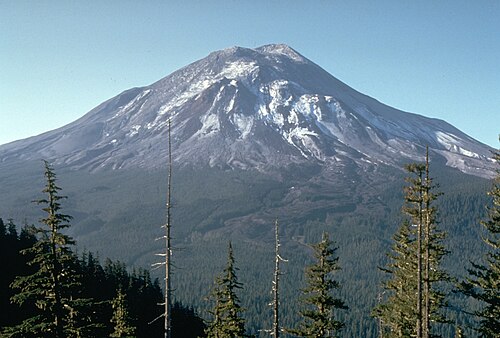
Mount St. Helens pictured the day before the 1980 eruption, which removed much of the northern face of the mountain, leaving a large crater

Aerial view with Mount Adams in background

East Dome on the east flank of Mount St. Helens in 2013.