Law of demand
Videos
In microeconomics, the law of demand is a fundamental principle which states that there is an inverse relationship between price and quantity demanded. In other words, "conditional on all else being e

A change in quantity demanded is shown by a movement along the existing demand curve. By starting out at P1, the associated willingness to purchase or quantity demanded is Q1. Now, if price goes up to P2, there is a lower willingness to purchase i.e., quantity demanded is Q2. The demand curve itself did not change since both the combination of P1Q1 and P2Q2 were already a part of the existing demand curve.
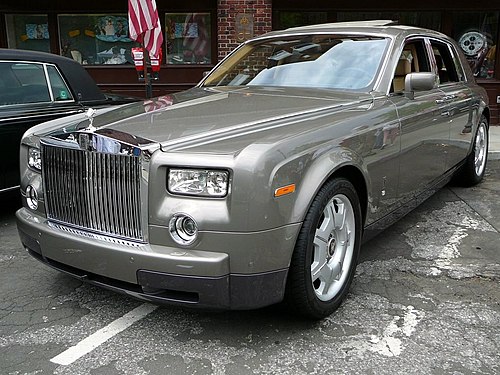
Named after the American economist Thorstein Veblen, Veblen goods are luxury items. They are perceived as status symbols and include diamonds and luxury cars.
Microeconomics
Videos
Microeconomics is a branch of economics that studies the behavior of individuals and firms in making decisions regarding the allocation of scarce resources and the interactions among these individuals

Microeconomics analyzes the market mechanisms that enable buyers and sellers to establish relative prices among goods and services. Shown is a marketplace in Delhi.

United States Capitol Building: meeting place of the United States Congress, where many tax laws are passed, which directly impact economic welfare. This is studied in the subject of public economics.