Libertarianism
Videos
Libertarianism is a political philosophy that holds liberty and personal sovereignty as primary values. Many libertarians believe that the concept of freedom is in accord with the non-aggression princ
Thomas Paine, whose theory of property showed a libertarian concern with the unequal distribution of resources under statism


Sébastien Faure, prominent French theorist of libertarian communism as well as atheist and freethought militant

Murray Bookchin, American libertarian socialist theorist and proponent of libertarian municipalism and communalism

Former congressman Ron Paul, a self-described libertarian, whose presidential campaigns in 2008 and 2012 garnered significant support from youth and libertarian Republicans
In the United States, libertarianism is a political philosophy promoting individual liberty. Libertarianism has been described as laissez-faire on economic issues while supporting civil liberties and
Libertarianism
…rights. Although libertarianism originated as a form of anarchist or left-wing politics, since the development in the mid-20th century of modern libertarianism in the United States caused it to be commonly associated with right-wing politics, several authors and political scientists have used two or more categorizations to distinguish…

Individualist anarchist Lysander Spooner, whose No Treason: The Constitution of No Authority greatly influenced libertarianism in the United States

Benjamin Tucker, an individualist anarchist who contrapposed his anarchist socialism to state socialism
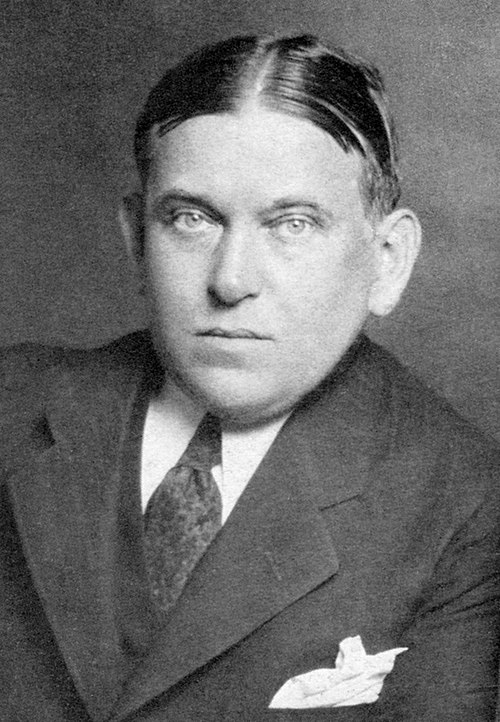
H. L. Mencken, one of the first people to privately call himself libertarian

Max Eastman, a former socialist who proposed the terms New Liberalism and liberal conservative