Liturgical year
Videos
The liturgical year, also called the church year, Christian year, ecclesiastical calendar, or kalendar, consists of the cycle of liturgical days and seasons that determines when feast days, including
The month of October from a liturgical calendar for Abbotsbury Abbey. 13th-century manuscript (British Library, Cotton MS Cleopatra B IX, folio 59r).


Roman Rite liturgical year

A white coloured parament hangs from the pulpit, indicating that the current liturgical season is Christmastide. The fact that the Christ Candle in the centre of the Advent wreath is lit also indicates that Christmas has arrived.

Saint Peter's Basilica facade, Rome, Italy
Gregorian calendar
Videos
The Gregorian calendar is the calendar used in most parts of the world. It went into effect in October 1582 following the papal bull Inter gravissimas issued by Pope Gregory XIII, which introduced it
Liturgical year
…while preserving the Julian calculation for feasts on the Paschal Cycle, have adopted the Revised Julian Calendar (at present coinciding with the Gregorian Calendar) to calculate those feasts which are fixed according to the calendar date. Between 1900 and 2100, there is a thirteen-day difference between the dates…
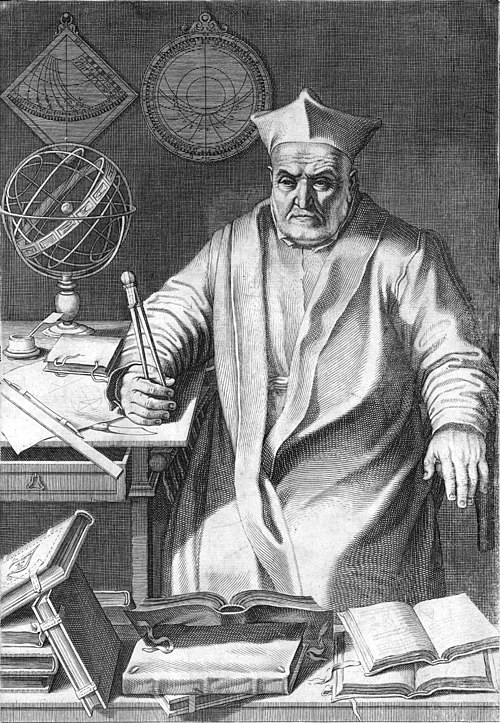
Christopher Clavius (1538–1612), one of the main authors of the reform
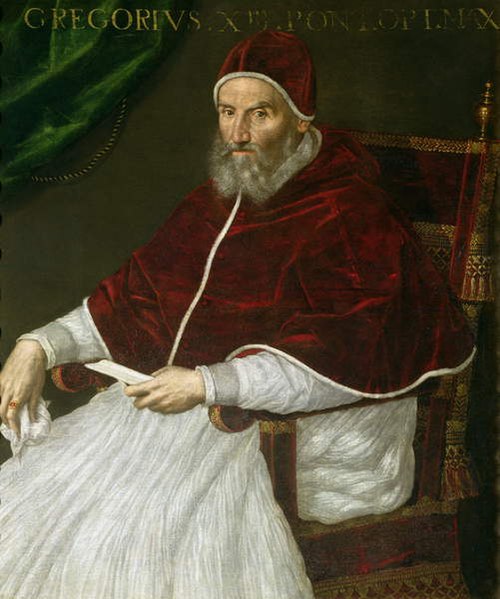
Pope Gregory XIII, portrait by Lavinia Fontana, 16th century

First page of the papal bull Inter gravissimas

Detail of the pope's tomb by Camillo Rusconi (completed 1723); Antonio Lilio is genuflecting before the pope, presenting his printed calendar.