Admiral of the Fleet Lord John Hay, was a Royal Navy officer and politician. After seeing action in 1842 during the First Opium War, he went ashore with the Naval Brigade and took part in the defence
A Vanity Fair caricature of Admiral of the Fleet Lord John Hay


Memorial to Lord John Hay, Admiral of the Fleet, Gifford

The ironclad ram HMS Hotspur which Hay commanded

The Congress of Berlin: Lord John Hay was sent to the Mediterranean to take control of Cyprus and to occupy it in accordance with decisions reached at the Congress.
Field Marshal George Hay, 8th Marquess of Tweeddale,, Hereditary Chamberlain of Dunfermline, was a British soldier and administrator. He served as a staff officer in the Peninsular War under Arthur We
Lord John Hay (Royal Navy officer, born 1827)
…down just five months later when William Gladstone's Liberal government fell from power in August 1886. Born in Geneva, Switzerland, the fourth son of George Hay, 8th Marquess of Tweeddale and Lady Susan Montagu (daughter of the William Montagu, 5th Duke of Manchester), Hay joined the Royal Navy in 1840. He was posted to the sixth-rate…

The 8th Marquess of Tweeddale
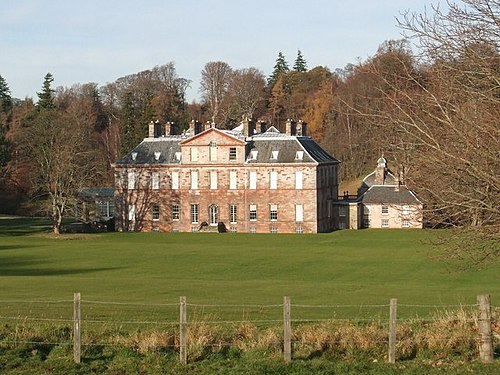
Yester House

Caricature of George Hay, 8th Marquess of Tweeddale driving a coach

The Battle of Chippawa, at which Hay was taken prisoner of war, during the War of 1812