Louse-feeder
Videos
A louse-feeder was a job in interwar and Nazi-occupied Poland, at the Lviv Institute for Study of Typhus and Virology and the associated Institute in Kraków, Poland. Louse-feeders were human sources o

Cages with typhus-carrying lice strapped onto a person's thigh. During World War II, feeding the lice with human subjects' blood was the only way to produce a viable typhus vaccine.
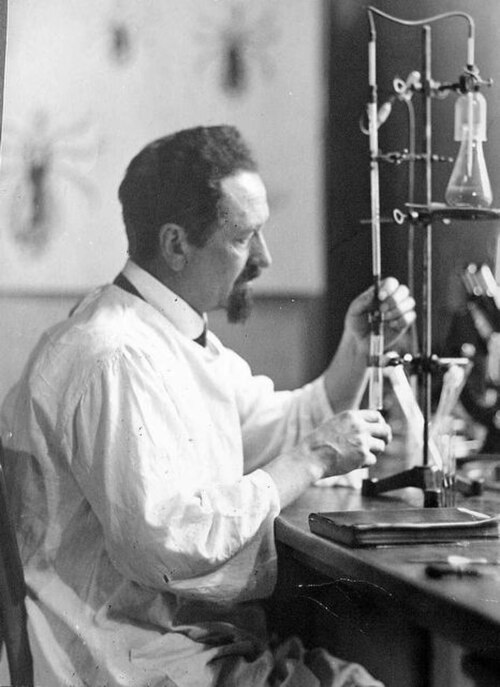
Rudolf Weigl, the developer of first viable typhus vaccine in his laboratory in Lwów

Rickettsia – typhus-causing bacteria
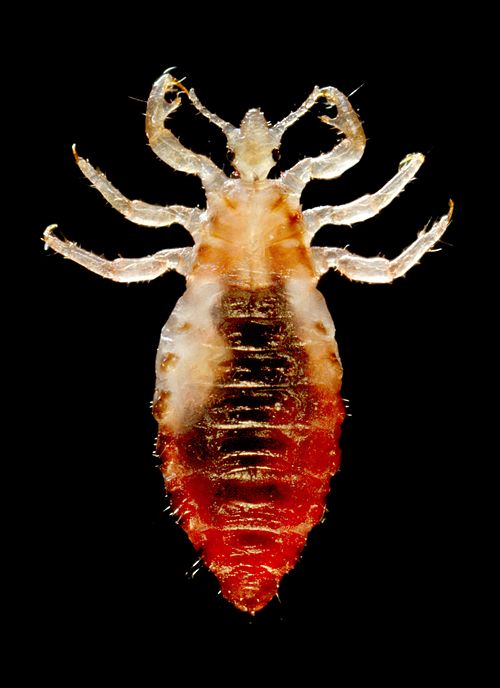
Typhus-spreading body louse
Zbigniew Herbert
Videos
Zbigniew Herbert was a Polish poet, essayist, drama writer and moralist. He is one of the best known and the most translated post-war Polish writers. While he was first published in the 1950s, soon af
Louse-feeder
…of support and protection for many of the city's Polish intellectuals, including the mathematicians Stefan Banach and Władysław Orlicz and the poet Zbigniew Herbert. While the profession carried a significant risk of infection, louse-feeders were given additional food rations, were protected from being shipped to…

Herbert in 1964

An excerpt from The Envoy of Mr. Cogito, Gdańsk

Zbigniew Herbert (early 1980s)

"The loss of memory by a nation is also a loss of its conscience" (Herbert). Plaque at Mehringplatz, Berlin.