Malagasy mythology
Videos
Photos
Malagasy mythology is rooted in oral history and has been transmitted by storytelling, notably the Andriambahoaka epic, including the Ibonia cycle. At least 6% of Madagascar are adherents of the religion, which is known as Fomba Gasy, and surveys show it is likely at least half practice some aspects of it. Adherence to Fomba Gasy is high amongst the Sakalava people, as they are reluctant to convert to faiths of foreign origin.

In traditional Malagasy culture, the famadihana burial tradition plays an integral role in spiritual life.
Madagascar
Videos
Photos
Madagascar, officially the Republic of Madagascar, is an island country comprising the island of Madagascar and numerous smaller peripheral islands. Lying off the southeastern coast of Africa, it is the world's fourth largest island, the second-largest island country and the 46th largest country in the world. Its capital and largest city is Antananarivo.

Malagasy ancestry reflects a blend of Southeast Asian, Oceanian and Bantu (Southeast African) roots.

European contact began in 1500 when Portuguese explorer Diogo Dias recorded the island while participating in the 2nd Portuguese India Armadas.

Matatana, represented in a picture of 1613, regarding a settlement of the beginning of the 16th century, in the Book of Humberto Leitão"
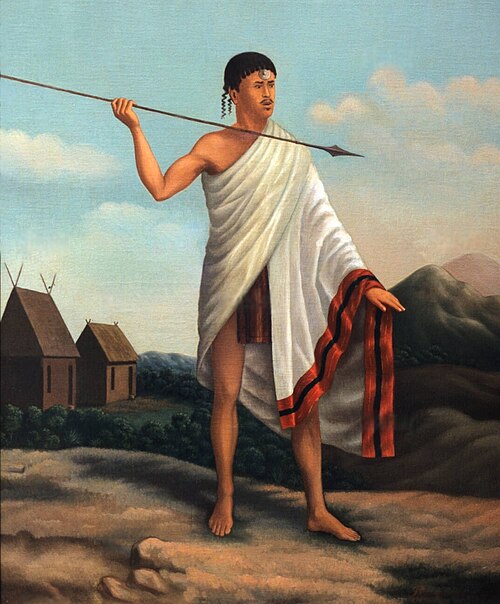
King Andrianampoinimerina (1787–1810)